 English
 中文简体
中文简体When choosing between a tight-back upholstered sofa and a loose-cushion upholstered sofa, the short answer is this: tight-back sofas offer a cleaner, more structured look with minimal maintenance, while loose-cushion sofas provide superior comfort and customization but require regular upkeep to maintain their appearance. Understanding these differences in depth will help you make a smarter long-term investment for your living space.
What Defines Each Sofa Style
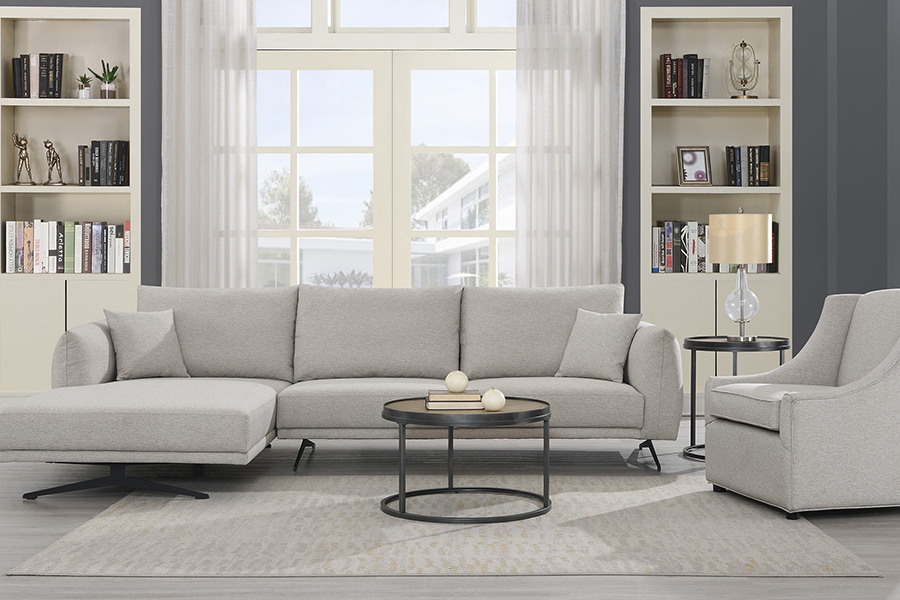
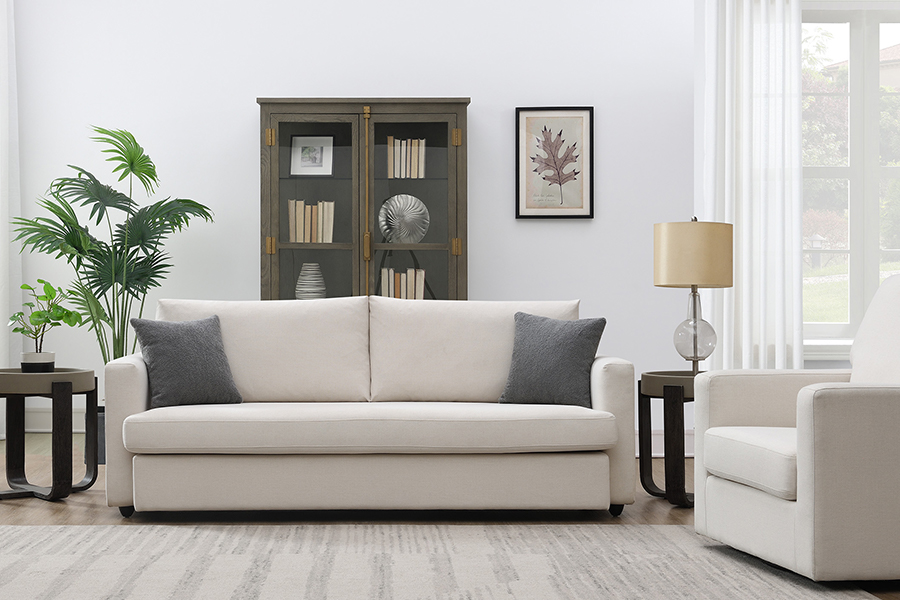
A tight-back upholstered sofa features fabric or leather upholstery that is pulled taut and fixed directly over the back padding, with no removable cushions. The seat and back form a single, seamless surface. This design is common in formal furniture styles such as the Chesterfield and Camelback, and is also popular in contemporary and minimalist interiors.
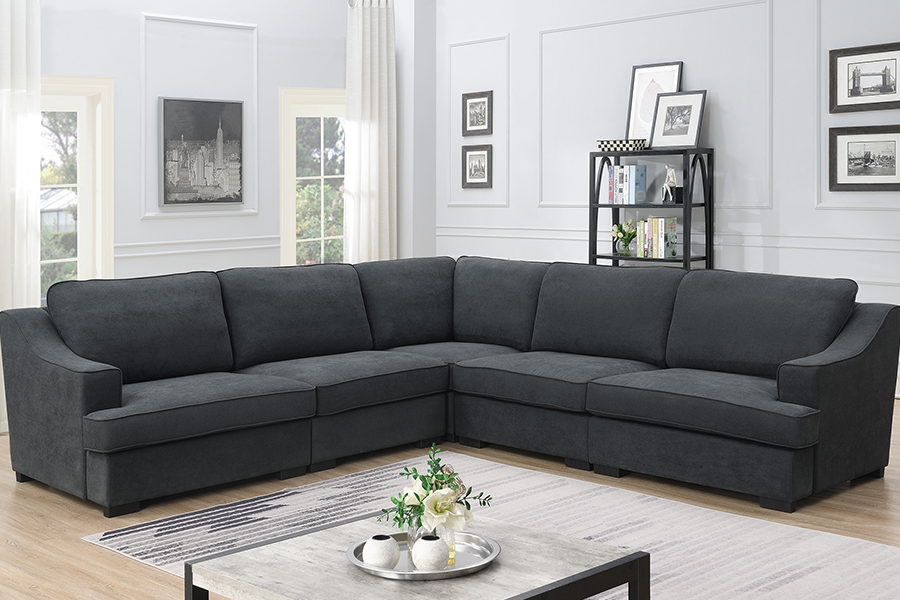
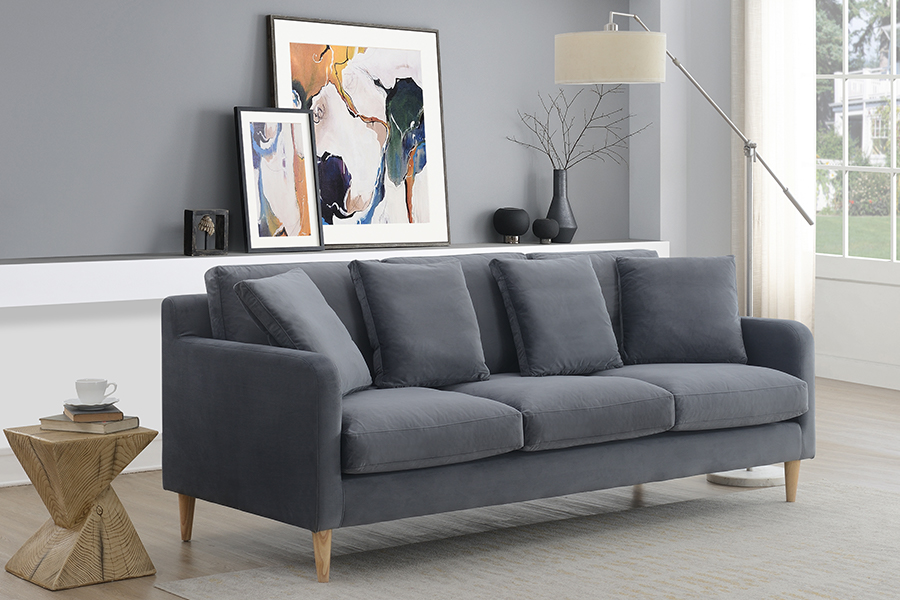
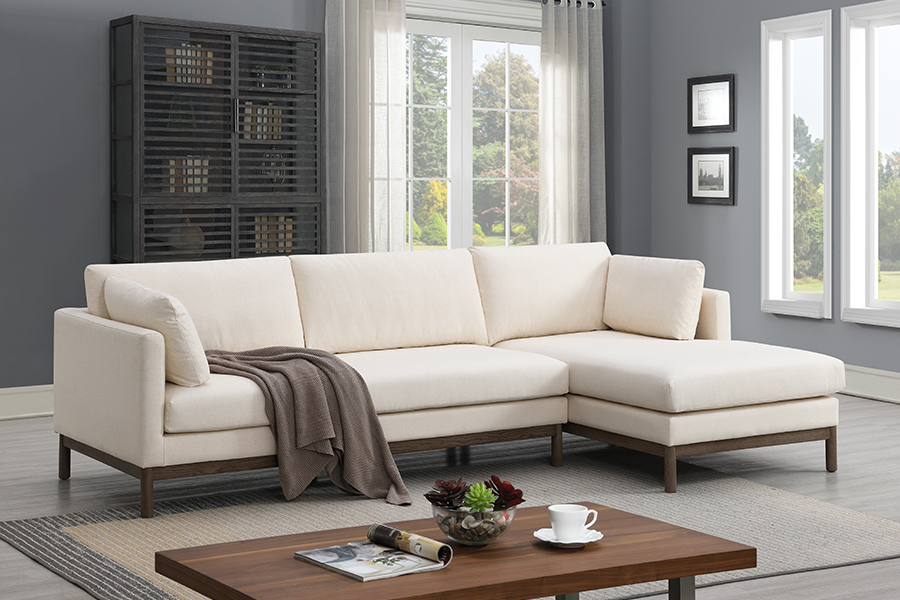
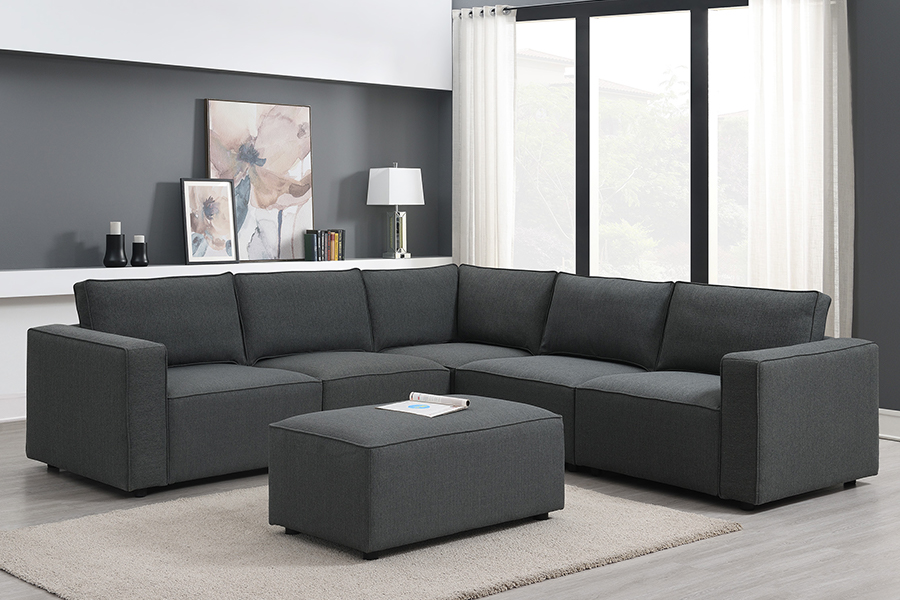
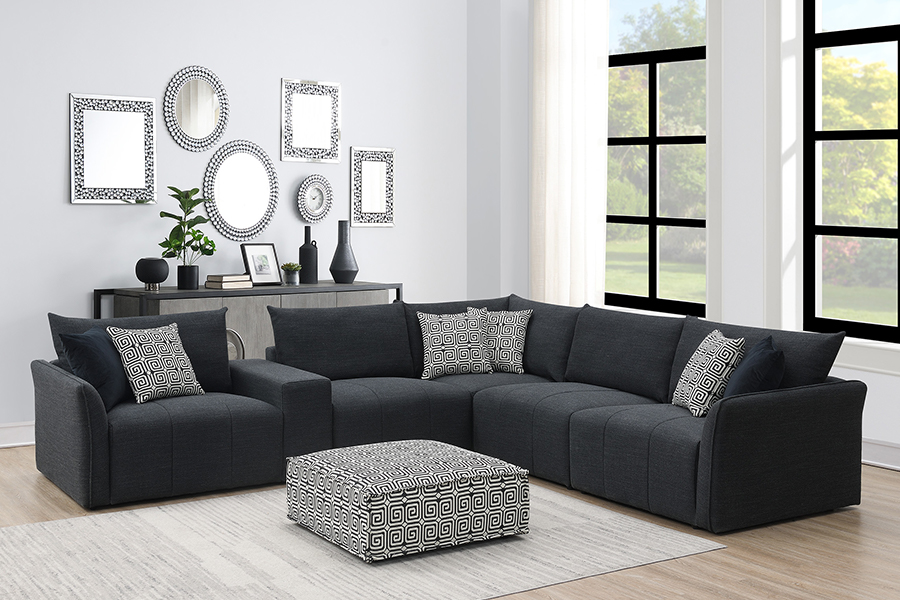
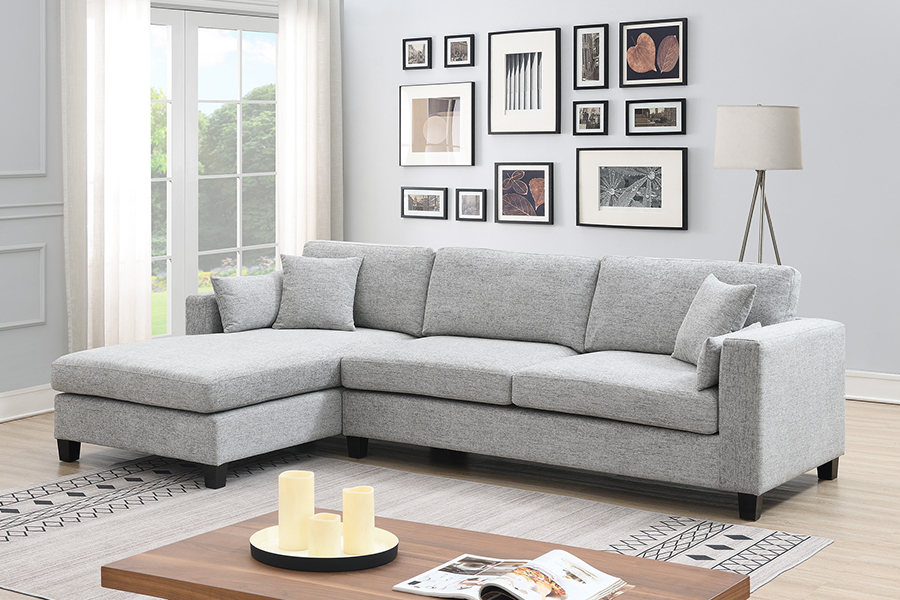
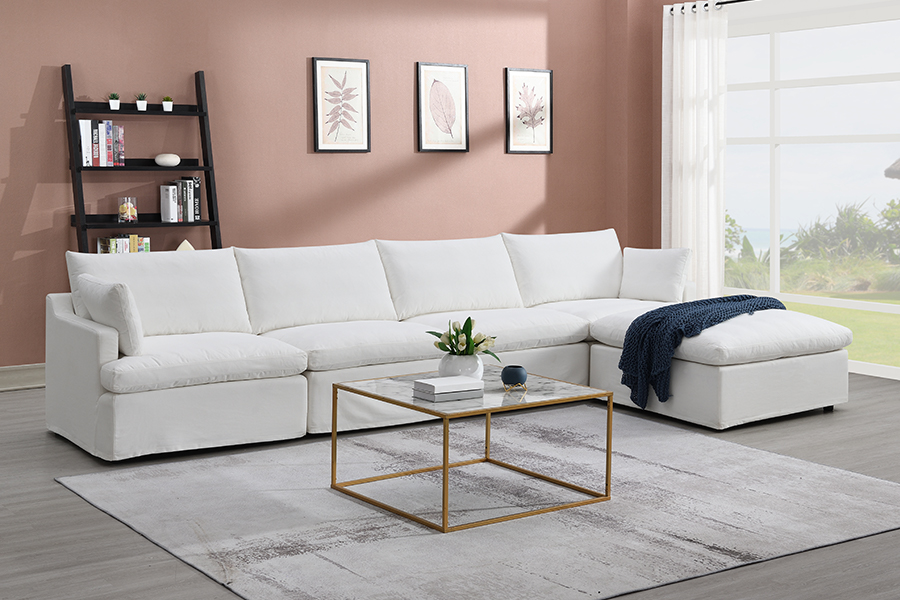
A loose-cushion upholstered sofa, by contrast, has separate back and seat cushions that rest against the sofa frame. These cushions can typically be removed, flipped, or rearranged. This style is found across a wide range of sofa types, from casual sectionals to more refined designs. It is also a common configuration in a modular tufted sofa, where individual cushioned sections can be repositioned to suit different layouts and seating needs.
Appearance Over Time: Which Holds Up Better Visually
Appearance retention is one of the most significant factors separating these two styles.
Tight-Back Upholstered Sofa
Because the upholstery is permanently attached, a tight-back sofa maintains a crisp, tailored silhouette for years. There are no cushions to shift, sag, or go flat unevenly. However, if the internal padding begins to compress — which can happen after 5 to 8 years of regular use — the sofa may develop a sunken or wrinkled look that cannot be corrected by flipping or replacing a cushion. The fixed upholstery also means that if one area wears or fades faster than another, the entire back panel may need to be reupholstered.
Loose-Cushion Upholstered Sofa
Loose cushions are more vulnerable to visual inconsistency over time. Cushions can slip out of alignment after every use, and uneven wear between heavily used and lightly used seats becomes visible within a few years. That said, the ability to rotate or flip cushions — especially on a leather and upholstery sofa with high-resilience foam inserts — can significantly extend the even appearance of the sofa. Rotating cushions every 3 to 6 months can double their effective lifespan compared to leaving them in a fixed position.
Maintenance Requirements: Day-to-Day and Long-Term
Maintenance demands differ substantially between the two types.
| Maintenance Task | Tight-Back Upholstered Sofa | Loose-Cushion Upholstered Sofa |
|---|---|---|
| Daily tidying | None required | Cushions need repositioning |
| Cushion rotation | Not applicable | Every 3–6 months recommended |
| Spot cleaning | Moderate difficulty | Easier with removable covers |
| Deep cleaning | Requires professional service | Covers may be machine washable |
| Cushion replacement | Full reupholstery needed | Individual cushions replaceable |
| Debris under cushions | Not an issue | Requires periodic removal and vacuuming |
One practical advantage of the loose-cushion design is that individual cushion inserts or covers can often be replaced without touching the rest of the sofa. Replacement foam inserts typically cost between $30 and $120 per cushion, making targeted repairs affordable. On a tight-back model, addressing similar wear generally means a full reupholstery job, which can run anywhere from $500 to $1,500 or more depending on fabric choice and sofa size.
Comfort and Support: How Each Style Feels Over the Years
Comfort is another area where these two styles diverge meaningfully.
Tight-back upholstered sofas tend to feel firmer and more upright. This makes them well suited for formal sitting, reading, or entertaining, but they may not offer the same relaxed, sink-in comfort that many users prefer for extended lounging. Because the padding is fixed, there is no way to adjust the firmness over time.
Loose-cushion sofas generally offer more plush, adaptable comfort. High-quality cushions filled with a foam-and-down blend can feel supportive yet soft, and their removable nature allows the user to replace the fill as it compresses. This is especially relevant for a leather and upholstery sofa used daily by multiple people — the ability to swap or re-stuff cushions means comfort can be actively restored rather than simply endured as it declines.
Design Flexibility and Style Compatibility
Both styles can complement a wide range of interior aesthetics, but each has natural strengths.
- Tight-back upholstered sofas are ideal for formal, traditional, or minimalist interiors where a clean silhouette is a priority. Their streamlined profile works especially well in smaller rooms where visual clutter needs to be minimized.
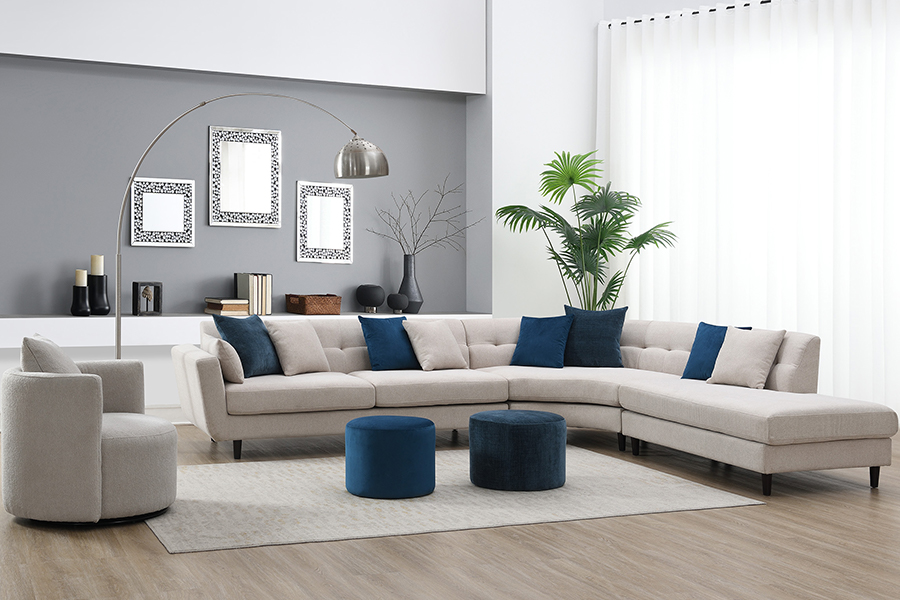
- Loose-cushion upholstered sofas suit casual, eclectic, or family-oriented spaces. They are also the dominant configuration for sectional and modular designs. A modular tufted sofa, for example, typically uses deep loose cushions to enhance both the quilted visual detail and the comfort of each individual module — making it a versatile choice for large living areas or open-plan spaces.
In terms of upholstery fabric choices, both styles are available in virtually every material — from performance fabrics and velvet to full-grain leather. However, tight-back models in particular benefit from high-durability fabrics rated at 30,000 rubs or more on the Martindale abrasion scale, since the upholstery cannot be replaced section by section.
Your choice should ultimately reflect how you live in your space. Consider the following practical guidance:
- Choose a tight-back upholstered sofa if you prioritize low daily maintenance, a consistently polished look, and a formal or structured aesthetic.
- Choose a loose-cushion upholstered sofa if you value long-term comfort, the ability to refresh individual components, and a more relaxed, adaptable feel.
- For households with children or pets, a loose-cushion model with removable, washable covers offers a significant practical advantage.
- For high-traffic commercial environments or formal reception areas, a tight-back design in a durable contract-grade fabric is typically the more resilient choice.
Neither design is inherently superior — the best upholstered sofa is the one that aligns with your maintenance habits, aesthetic preferences, and how your household actually uses the furniture every day. Investing time in this comparison before purchase will pay off in years of satisfaction with your choice.