 English
 中文简体
中文简体Interiors & Materials — A Buyer's Field Guide
Fabric, Hide,
or Frame
Three sofa categories, three very different relationships with your living room — and one covering material that quietly decides how each one feels, ages, and gets cleaned.
The direct answer, before anything else
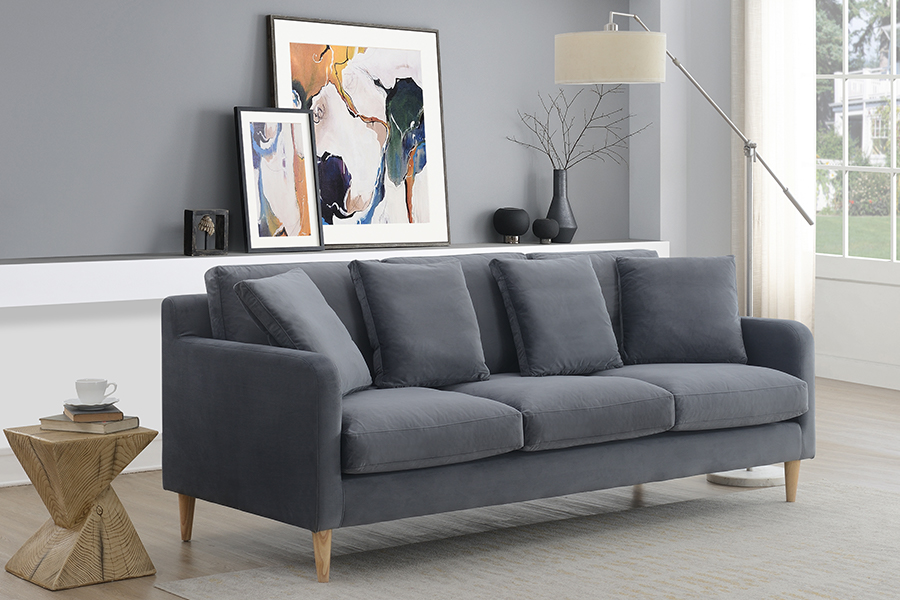
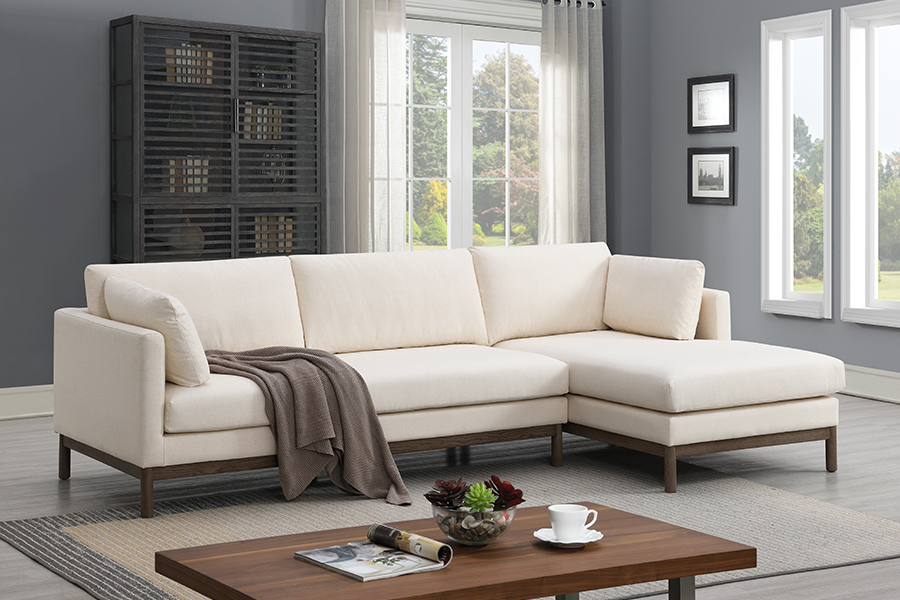
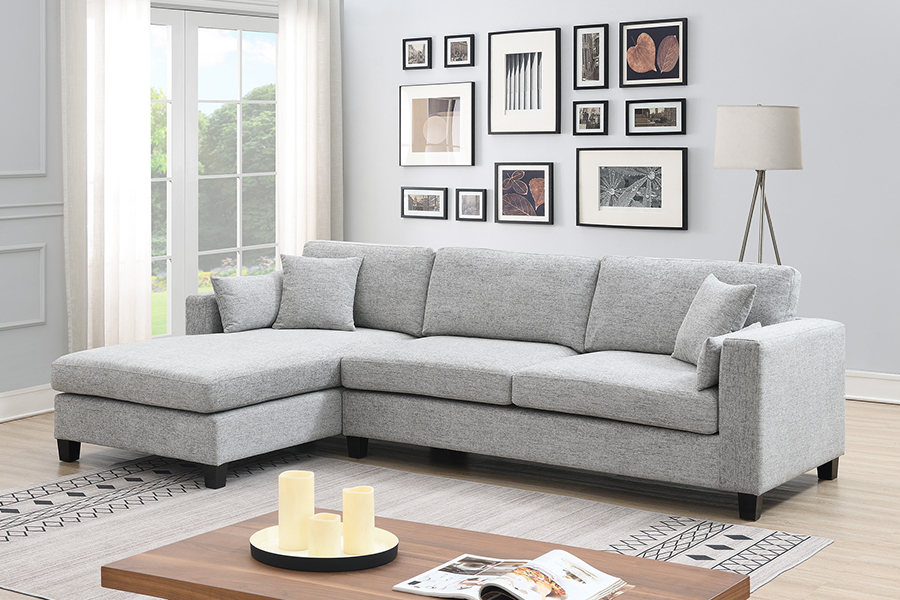
An upholstered sofa is covered in fabric, such as cotton, linen, velvet, or a synthetic blend, that is stretched, padded, and stitched over the frame, while a leather sofa uses hide or faux hide as its surface material, and a non-upholstered sofa refers to a frame-based piece such as a wooden bench, wicker settee, or metal-framed seat with exposed structural material and minimal or no soft covering. The distinction matters because it affects everything from comfort and cost to cleaning routine and expected lifespan. A tufted grey sofa covered in woven fabric will feel, age, and require maintenance very differently than a leather equivalent of the same shape, even though both may share an identical internal frame.
Understanding these differences before purchasing helps buyers avoid a mismatch between expectations and reality, particularly for households weighing softness and warmth against long-term durability and easy wipe-down cleaning.
What "upholstered" actually means
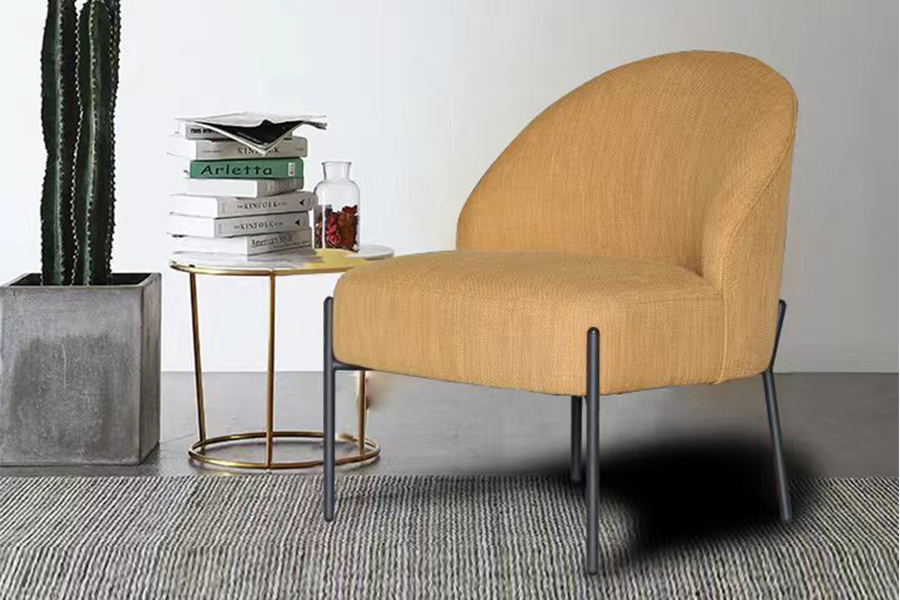
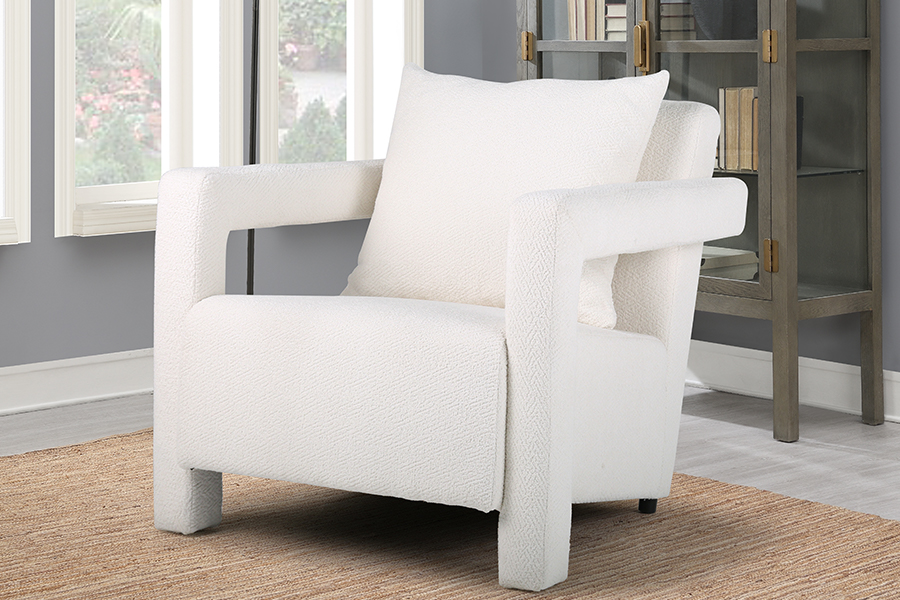
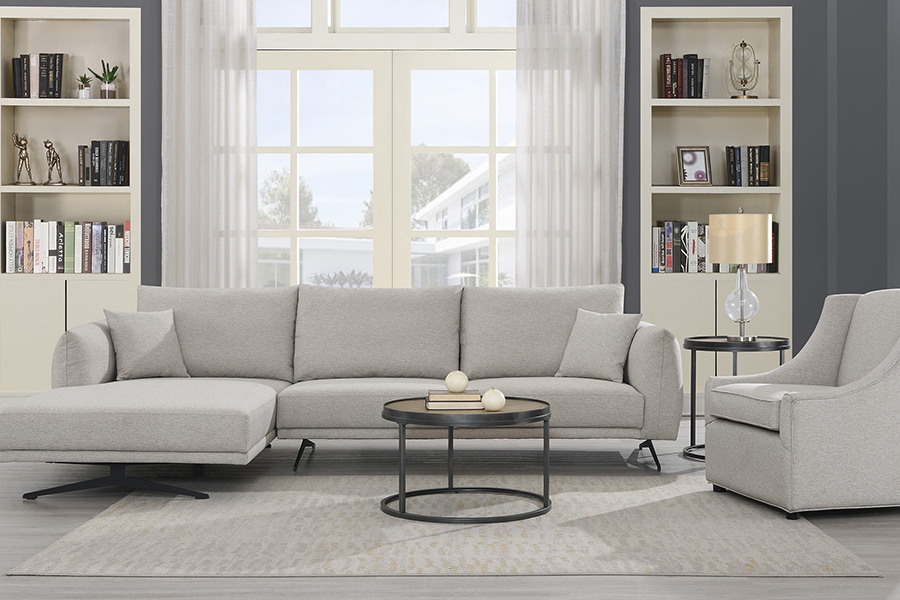
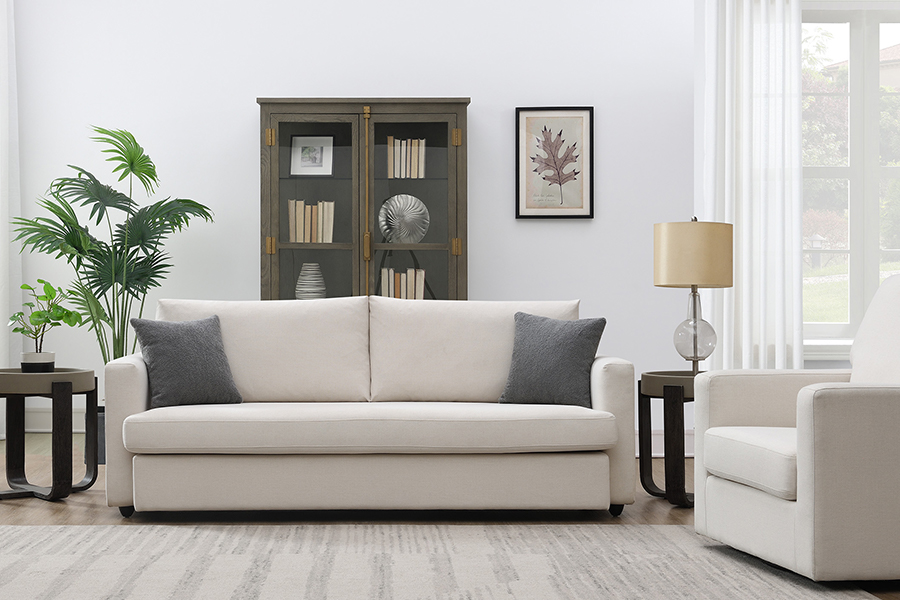
Upholstery refers to the padding, springs, webbing, and fabric covering applied over a sofa's wooden or metal frame. The process typically layers foam or fiber fill over supportive springs, then wraps the entire structure in woven or knit textile, which is stapled, sewn, or glued into place. This layered construction is what gives upholstered sofas their soft, cushioned feel and their ability to hold consistent shape across the seat, back, and arms.
Core components of upholstery
A typical upholstered sofa includes four structural layers: the hardwood or engineered wood frame, the suspension system (coil springs or sinuous wire), the cushioning material (high-density foam, down, or a hybrid fill), and the outer fabric shell. Each layer contributes to comfort and durability, and higher-end pieces often use kiln-dried hardwood frames and eight-way hand-tied springs for added longevity, sometimes rated to last 15 years or more with proper care.
What you sit on is rarely just fabric — it's four hidden layers agreeing to hold your shape.
How leather sofas differ in material and feel
Leather sofas replace woven fabric with tanned animal hide or a faux leather alternative made from polyurethane or PVC-coated fabric. Genuine leather is naturally more resistant to spills and stains than most textiles because liquids tend to sit on the surface rather than soak in, giving owners a short window to wipe up messes before they set. This makes leather a practical choice for households prioritizing easy cleanup over the plush, textured feel of fabric.
Temperature and comfort differences
One frequently overlooked difference is temperature response. Leather tends to feel cool to the touch in winter and can become warm or slightly sticky in summer, while upholstered fabric maintains a more neutral, breathable feel year-round. For homes without consistent climate control, this seasonal variation can influence day-to-day comfort more than shoppers initially expect.
upholstered sofa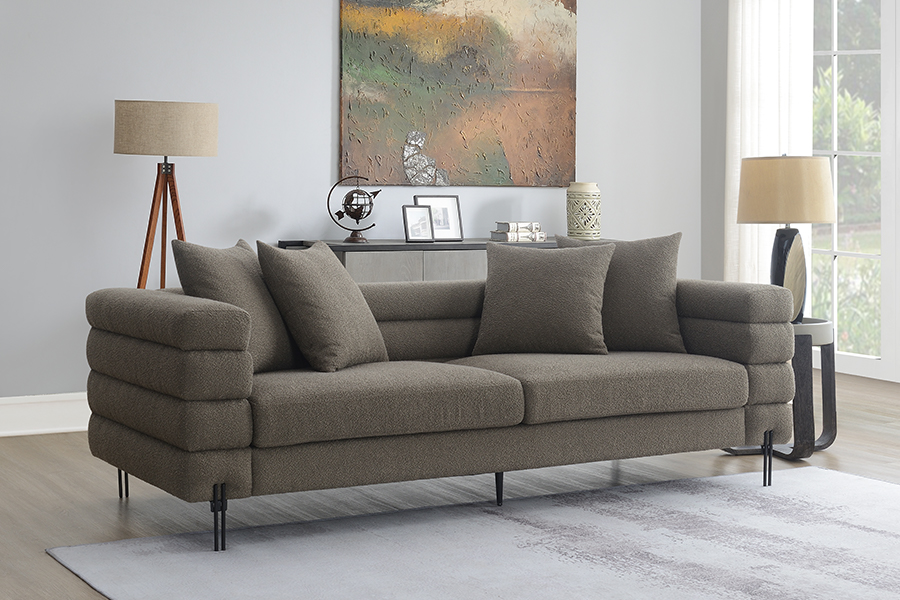
If your living room sits in direct afternoon sun, factor that heat exposure into your leather-versus-fabric decision — surface temperature swings are more noticeable there.
What counts as a non-upholstered sofa
Non-upholstered seating includes pieces where the primary structural material — wood, rattan, metal, or molded plastic — remains exposed rather than padded and wrapped. Examples include slatted wooden benches, wicker settees with loose cushions, and minimalist metal-framed daybeds. These pieces may include separate seat or back cushions, but the frame itself is not built up with padding and stitched fabric the way an upholstered sofa's frame is.
Non-upholstered furniture is often chosen for outdoor or transitional spaces, where exposed materials like teak or powder-coated steel hold up better against moisture and sun exposure than fabric or leather would. The trade-off is generally reduced cushioning and a firmer, less enveloping seat compared to a fully upholstered piece.
Comparing the three sofa types side by side
The table below summarizes the practical differences buyers should weigh across comfort, maintenance, cost, and lifespan.
| Feature | Upholstered Fabric | Leather | Non-Upholstered |
|---|---|---|---|
| Softness | High | Moderate | Low to Moderate |
| Stain Resistance | Varies by fabric | High | High (bare frame) |
| Typical Lifespan | 7–15 years | 10–20 years | 15+ years (frame) |
| Cleaning Method | Vacuum, spot clean, professional clean | Wipe down, condition periodically | Wipe or hose down |
| Relative Cost | Low to High | Moderate to High | Low to Moderate |
Design and style considerations
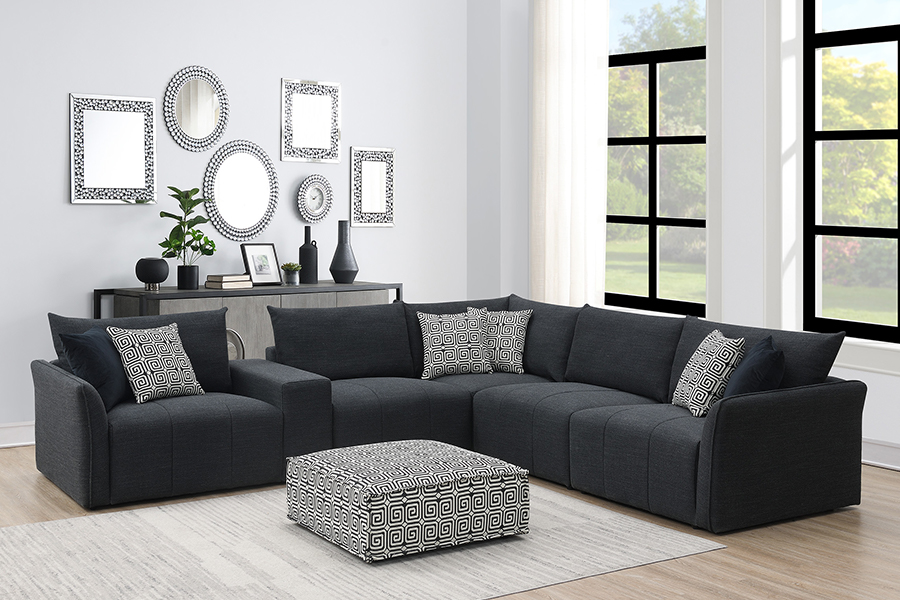
Beyond material performance, the three sofa types also diverge sharply in design flexibility. Upholstered fabric sofas support a much wider range of colors, patterns, and finishes, including deep-buttoned styles like a tufted grey sofa, which relies on stitched fabric pulled taut over foam to create its signature diamond or channel pattern. Leather cannot achieve the same crisp tufting definition as easily, since hide is thicker and less pliable than woven textile, making fabric the preferred choice for detailed tailoring.
Modularity and configuration
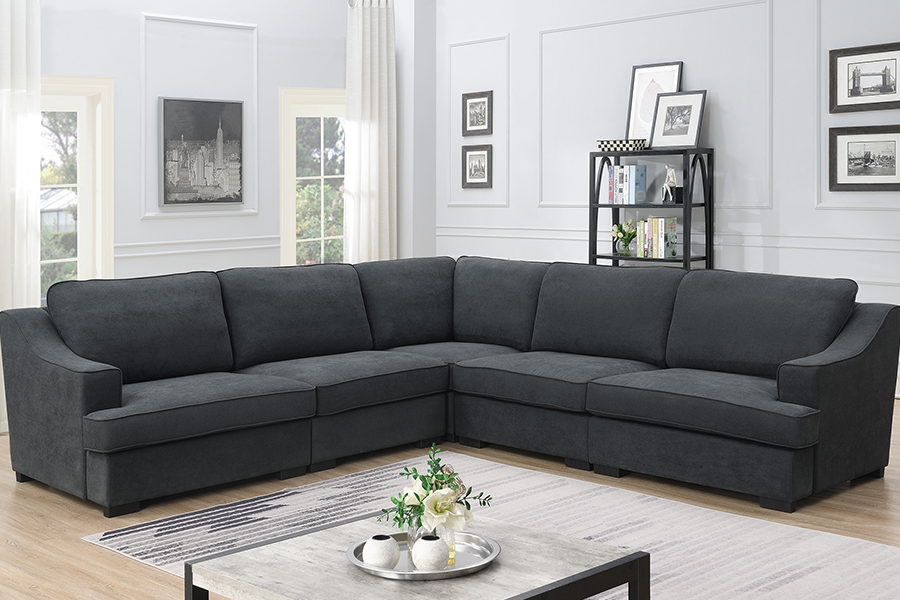
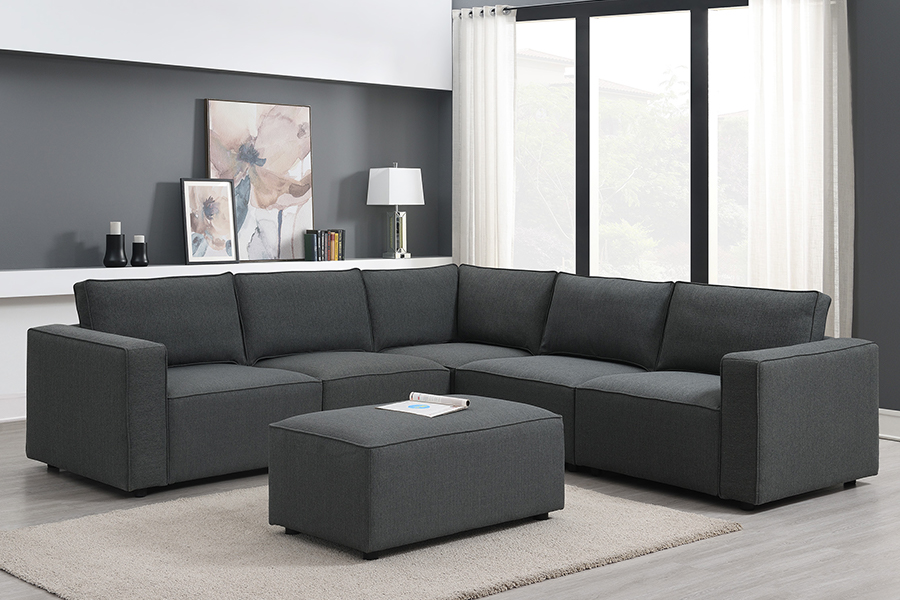
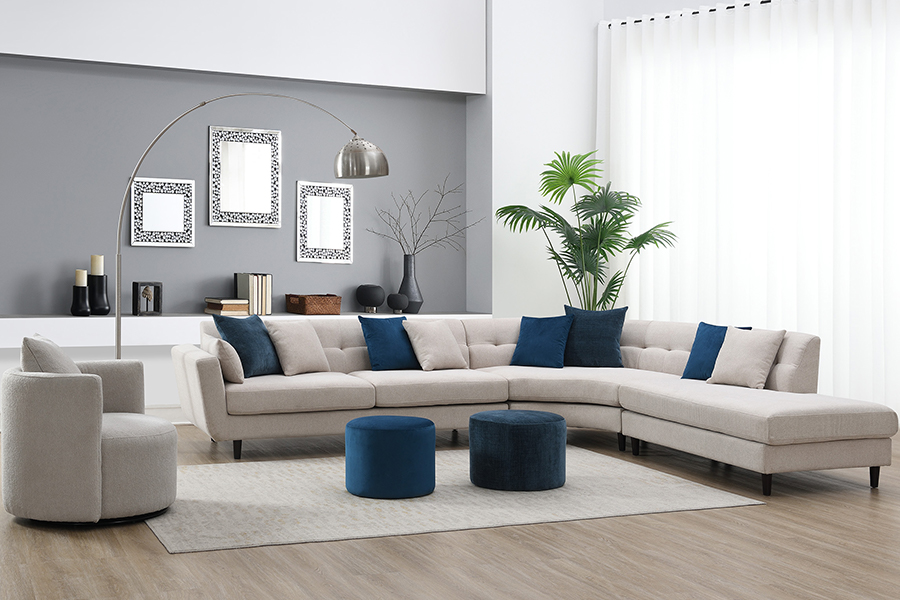
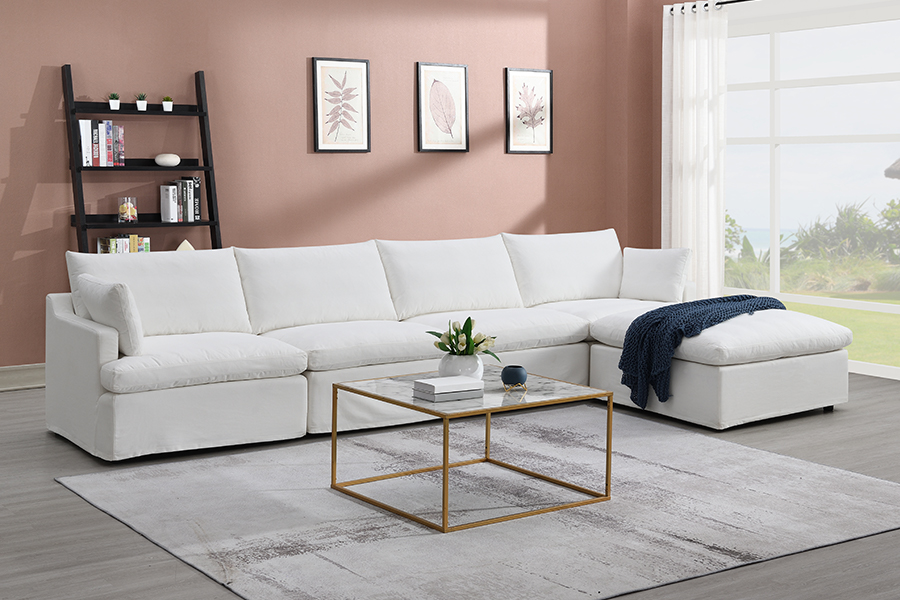
Fabric upholstery also lends itself well to modular design, where individual seat sections can be rearranged, added, or removed to fit different room layouts. A modular tufted sofa, for instance, combines the flexibility of interchangeable sectional pieces with the tailored look of tufted detailing — an option far less common in leather or non-upholstered furniture lines, where matching new sections to existing hide color and grain can be difficult over time.
Modular fabric sofas make it easier to reconfigure a room over time — swap or add a chaise section without replacing the entire piece.
Maintenance and long-term care differences
Each sofa type demands a different care routine, and mismatched expectations are a common source of buyer regret. Upholstered fabric sofas generally require regular vacuuming to prevent dust and debris from settling into the weave, along with occasional professional cleaning for deeper stains. Leather sofas need conditioning every six to twelve months to prevent cracking, along with prompt wiping of spills to avoid staining. Non-upholstered frames require the least intensive routine, often just dusting or wiping the exposed material and occasionally replacing loose cushions.
Consider the following maintenance checklist when comparing ongoing care requirements:
- Vacuum upholstered fabric weekly to prevent dust buildup in the weave
- Condition leather surfaces twice a year to maintain flexibility and prevent cracking
- Rotate and fluff loose cushions on non-upholstered frames to maintain even wear
- Test cleaning products on a hidden area before applying to any visible surface
- Schedule professional cleaning for fabric upholstery roughly every 12 to 18 months
Skipping leather conditioning for extended periods can lead to premature cracking that's difficult to reverse — treat it as routine maintenance, not an optional extra.
Cost differences and what drives price
Price varies widely within each category, but general patterns hold across the market. Entry-level upholstered fabric sofas are often the most affordable option, since synthetic textiles cost less to produce than tanned hide. Genuine leather typically commands a higher price due to the cost of raw material and tanning labor, though faux leather narrows this gap considerably. Non-upholstered pieces can range from inexpensive flat-pack wood frames to costly handcrafted rattan or teak furniture, depending on material quality and craftsmanship.
Frame construction also plays a significant role in price regardless of covering material. A sofa built with a solid hardwood frame and eight-way hand-tied springs will cost more than one with a particleboard frame and sinuous wire, even if both are wrapped in identical fabric. Buyers comparing prices across sofa types should ask about frame material and spring system, not just the visible covering, since these hidden components often account for a larger share of long-term durability than the surface material alone.
A low price on a fabric or leather sofa often signals a thinner frame or lighter-gauge springs underneath — ask about construction before comparing surface material alone.
Which option fits your household best
Choosing between upholstered, leather, and non-upholstered sofas ultimately depends on lifestyle priorities. Households with young children or pets often lean toward leather or performance-grade upholstered fabric for easier cleanup, while those prioritizing softness, color variety, and detailed tailoring, such as a tufted design, tend to favor fabric upholstery. Non-upholstered furniture suits outdoor living areas, sunrooms, or minimalist interiors where exposed natural materials fit the intended aesthetic better than padded, fabric-wrapped seating.
Climate also plays a practical role in this decision. In consistently warm or humid regions, leather can feel uncomfortably sticky, making breathable fabric upholstery the more comfortable year-round choice. In drier or more temperature-controlled homes, leather's durability and easy-clean surface often outweigh its seasonal temperature quirks.
In summary
The difference between upholstered, leather, and non-upholstered sofas comes down to what sits on top of the frame — and that single choice ripples through comfort, cleaning, cost, and design flexibility for years afterward. Fabric offers the widest range of texture, color, and tailored detailing; leather trades some of that softness for easier cleanup and a longer surface lifespan; and non-upholstered pieces prioritize simplicity and resilience over cushioned comfort. Testing samples in your actual living space, under your usual lighting and temperature conditions, remains the most reliable way to confirm which material will perform best over years of daily use.