 English
 中文简体
中文简体There is a moment, sitting down on a proper English roll arm upholstered sofa, when the design logic becomes obvious. Your arm settles naturally onto the low roll. The seat is deep enough to invite lounging. The back supports you without forcing an upright posture. It feels less like a piece of furniture and more like a quiet invitation to stay.
That comfort is not an accident. The English roll arm silhouette has been refined over nearly two centuries, and its popularity has never really faded. But the label is used loosely today, and the gap between a well-built version and a cheap imitation is enormous. Before you buy, you need to know what the style actually requires, what to inspect, and which details determine whether the sofa will hold up for years.
What Defines an English Roll Arm Sofa
An English roll arm sofa is instantly recognizable, but its true character comes from the relationship between its parts.
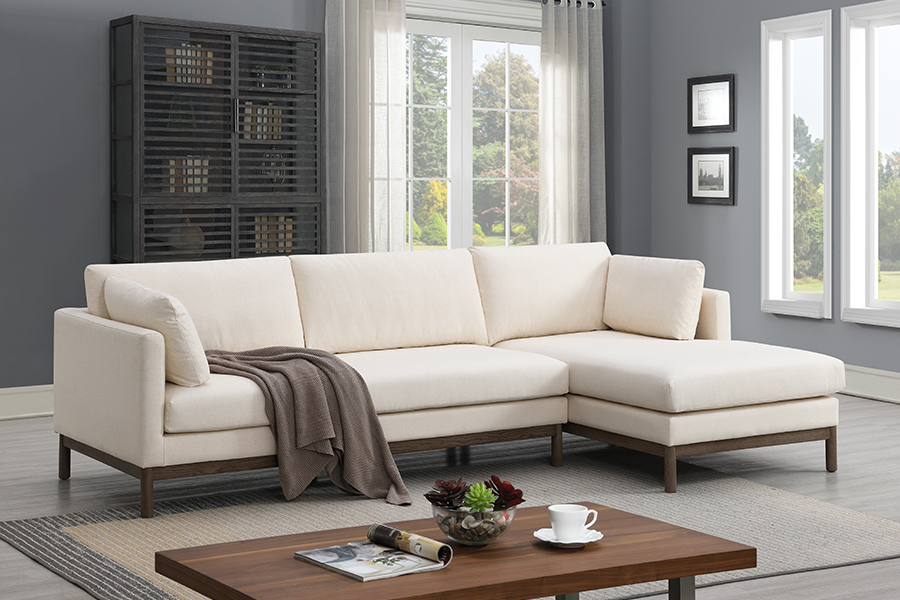
- Low, rolled arms that curve slightly inward, sitting lower than the back and comfortable enough to rest on
- A tight back with a gentle slope, often curved to support the lower back
- A deep, generously proportioned seat cushion
- Upholstery covering virtually the entire visible frame, including the outside of the arms
- Exposed wooden legs, occasionally finished with castors on traditional versions
The defining feature is the arm itself. Unlike an upright, square-arm profile, the roll arm is horizontal, rounded, and heavily padded. Because it sits low, it changes the entire posture of the room: the sofa feels approachable rather than imposing. That quality is why the style appears in both relaxed family cottages and formal sitting rooms without ever looking out of place.
Why This Design Has Endured
Most furniture styles spend a few decades in fashion and then fade. The English roll arm sofa has done the opposite. It gained popularity in the 1800s, as domestic interiors moved away from stiff, formal seating toward deeper comfort. The rolled arm was a practical solution: it created a padded edge that could absorb daily contact without showing wear, and it could be shaped consistently by skilled upholsterers.
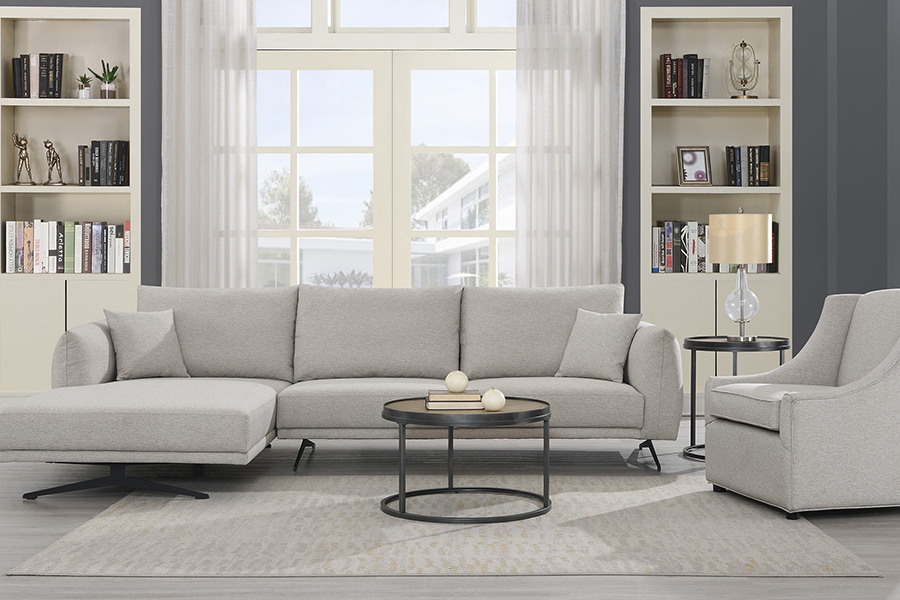
The design also adapts to changing contexts. Over the years it has been upholstered in damask, velvet, linen, leather, and modern performance fabrics. In a contemporary loft, a neutral-toned roll arm sofa softens concrete and steel. In a traditional sitting room, the same silhouette looks entirely at home. Few furniture forms can claim that kind of versatility.
A well-made roll arm sofa is not judged by how it looks on delivery day, but by how it feels on the third year of daily use.
What to Look for Before You Buy
The challenge with any upholstered sofa is that the most important parts — the frame, the suspension, the cushion core — are hidden inside. The English roll arm adds another layer: because the arms are prominent and heavily padded, their shape and firmness reveal a great deal about the skill of the maker.
The frame sets the ceiling
The frame is what separates a sofa that lasts fifteen years from one that sags in three. Look for kiln-dried hardwood, reinforced with corner blocks and dowelled or screwed joints. A roll arm sofa carries extra stress because the arms take regular pressure from people leaning on them. If the frame twists under weight or creaks when you press the arm, walk away.
Suspension determines the feel
Every sit-down is a small impact, and the suspension absorbs it. Eight-way hand-tied coils are the traditional premium choice, offering the most even support across all seat positions. Sinuous springs, properly gauged and installed, are also capable and considerably more affordable. Webbing alone is rarely enough for a sofa used every day.
Cushion filling controls comfort and maintenance
The seat cushion is the first part of a sofa to show its age, so the filling matters more than almost any other detail. The table below summarizes the options you will encounter across different price points.
| Cushion filling | Feel on first sit | Daily maintenance |
|---|---|---|
| High-density foam | Firm, supportive | Low |
| Foam core with feather wrap | Soft with structure | Moderate — occasional plumping |
| Feather and down | Deep, luxurious softness | High — needs daily plumping |
| Fiber blend | Light and cushy | Moderate — can flatten over time |
Upholstery quality shows in the seams
The fabric should be smooth and drum-tight across the cushions and arms. Run your hand along the rolled arm: the surface should feel firm and consistent. Seams should be straight with no pulling, and if the fabric has a pattern, the pattern should match neatly at the seams. These are easy details to see and very hard to fix after purchase.
Choosing Fabric for Real Living
Once the structure is right, the fabric determines how the sofa will look and feel over the years.
Natural fibres such as linen and cotton breathe well and age beautifully. Wool wears well but can feel warm in summer. Modern performance synthetics offer excellent stain resistance, which is a real advantage with children or pets around. Before you commit to a material, take a moment to understand how to properly maintain and protect upholstered sofas — some beautiful fabrics are considerably more demanding than others.
Where an English Roll Arm Sofa Feels at Home
It is easy to categorize the English roll arm as traditional furniture, but its low, soft profile gives it surprising versatility across interior styles.
- In a formal living room: pair the sofa with leather club chairs and a wool rug for a classic arrangement
- In a coastal interior: choose linen upholstery in pale sand or chalk white to keep the silhouette light and airy
- In a modern loft: a deep neutral tone — charcoal, taupe, olive — softens concrete and steel while adding warmth
- In a library or den: a roll arm sofa with a matching ottoman creates a proper reading corner
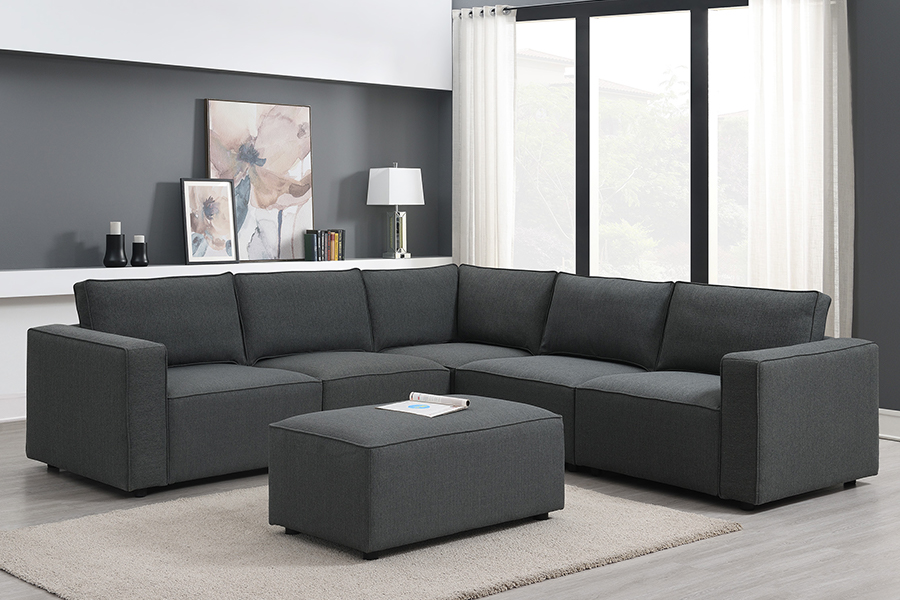
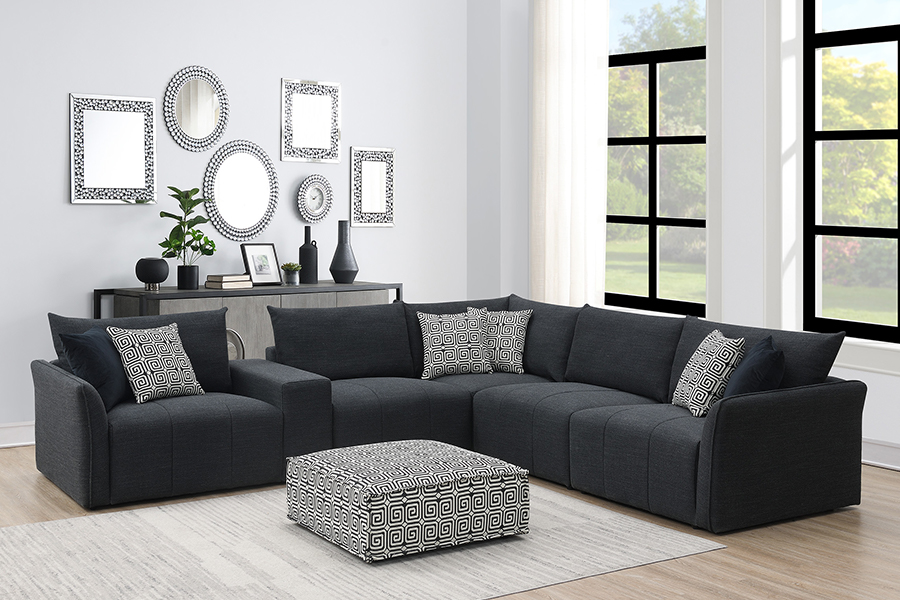
A well-made roll arm sofa also pairs naturally with an upholstered ottoman, which extends the lounge comfort and gives the layout a more casual, grounded presence.
The Craftsmanship You Cannot Photograph
What separates an outstanding English roll arm sofa from a merely decent one is consistency. Both arms should share the same curve and height. Both seat cushions should match in firmness. The back should feel the same on the left and right. These qualities come not from a striking design sketch but from disciplined manufacturing and careful inspection.
Serious manufacturers control these variables through standardized processes: kiln-dried lumber, measured foam densities, reinforced seams on every stress point, and documented quality checks. Certifications such as ISO 9001 indicate that a factory operates with organized quality management. When the maker can clearly describe its frame construction and back it with a meaningful warranty, you are buying more than fabric and foam.
The English roll arm upholstered sofa is one of the most dependable furniture investments you can make. It is comfortable by design, versatile by nature, and genuinely durable when built with care. The secret is to look below the surface: confirm the frame, check the suspension, choose a cushion filling that fits your routine, and select a fabric that matches the realities of your household.
Do that, and you will own a sofa that will not need replacing every few years — one that will still look right, and feel right, into its second decade of daily life.