 English
 中文简体
中文简体Fabric and Leather Upholstered Metal Frame Sofas: A Complete Buyer's Guide
A showroom sofa convinces you in ninety seconds: soft springs, supportive cushions, and the exact colour you had in mind. The real test comes in year five, when the frame starts to shift under the weight of daily sitting. That test is where a fabric and leather upholstered metal frame sofa earns its reputation — or loses it.
The buying mistake is to treat the cover as the product and the frame as an afterthought. On a metal-frame sofa the order must be reversed. Once you understand what the frame does, the choice of fabric or leather becomes a lifestyle decision rather than a colour preference.
Start with the Frame: Why Metal Changes the Equation
Metal frames have moved from outdoor and contract furniture into living rooms, and the reasons are practical. Steel and aluminum do not warp the way wood can in humid environments, they do not develop the same stress cracks around joints, and they let engineers place support exactly where the human body applies weight.
Steel is the default when strength comes first. A well-built steel frame uses square or rectangular tubing with a wall thickness that does not flex under repeated load, and the joints are welded, ground smooth, and sealed against moisture. Aluminum is the lighter alternative: it resists corrosion naturally, which suits coastal homes and apartments with narrow staircases, though it usually costs more for the same stiffness.
Whatever the material, the junction points decide longevity. A frame assembled with staples, thin brackets, or spot welds will loosen within two or three years, no matter how plush the cushions feel in the showroom. The repeated impact of sitting down, thousands of times across a sofa's lifetime, exposes every shortcut. Welded and properly finished connections are not a premium extra; they are the minimum standard for a piece that is expected to last a decade.
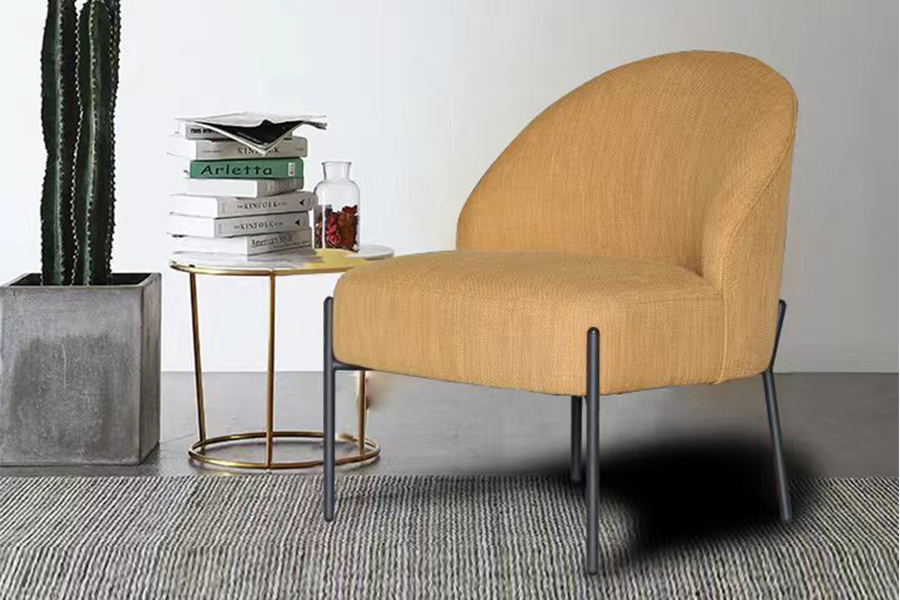
The frame also shapes the sofa's visual weight. Metal allows a recessed base, slim legs, and armrests with a cleaner line than traditional wooden construction. In a narrow living room, that smaller visual mass can make more difference to the sense of space than the cover colour you pick.
Fabric or Leather: Match the Cover to Your Life
There is no universal winner between fabric and leather, because the two materials are answering different questions. Leather develops a patina and needs little more than occasional conditioning. Fabric is warmer in winter, offers a much wider range of colours and textures, and is easier on the initial budget — but it stains more visibly and demands more disciplined care.
On a metal-frame sofa, the cover choice matters even more, because the upholstery is the only soft surface between your body and a rigid structure. High-density foam beneath leather feels stable and supportive; the same geometry with a plush fabric cover feels relaxed and inviting. The frame does not change, but the perceived comfort does, which is why sitting on the exact model with both cover options is worth the extra time.
| Criteria | Fabric | Leather |
|---|---|---|
| Comfort | Warmer to the touch; softer first impression; less affected by room temperature. | Cooler at first, then comfortable; firm, smooth surface that holds its shape. |
| Durability | Quality weaves resist pilling; the seat front and armrests wear first. | High abrasion resistance; a natural patina hides small scratches over time. |
| Maintenance | Regular vacuuming and prompt spot cleaning; removable covers allow machine washing. | Wipe with a damp cloth and condition every six months; avoid prolonged direct sun. |
| Best for | Homes that value colour choice, softness, and easy replacement of cushion covers. | Busy households and workplaces where a wipe-clean surface is worth the higher cost. |
Mixed upholstery — leather on the seat and front edges where friction is highest, fabric on the backrest and arms where warmth matters more — is a practical compromise rather than a styling gimmick. When a sofa is described as fabric and leather upholstered, check which surface is used where. That arrangement tells you how much wear the manufacturer expects each zone to receive, and it often signals a more considered build.
What to Inspect Before You Commit
Once you accept that the frame does the heavy lifting, the selection criteria become clearer. Instead of relying on a staged photograph, spend ten minutes with the specification sheet and your own hands. This checklist applies equally to retail purchases and to contract orders placed with a manufacturing partner.
- Frame material and gauge. Ask for the exact metal specification. A thicker wall section means less flex, fewer stress points, and a longer service life.
- Joint construction. Welded and ground joints outlast bolted or stapled assemblies, especially at the four corners of the seat box.
- Suspension system. Zigzag springs or heavy elastic webbing must be firmly anchored. Press the centre of the seat; it should return without sinking.
- Cushion core. High-density foam around 30 kg/m3 or higher, wrapped in a soft comfort layer, gives the right balance of support and softness. Feather-only filling feels luxurious at first but loses shape quickly.
- Seams and stitching. Double-needle seams, hidden zippers, and reinforced stress points at the armrests indicate that the upholstery will tolerate years of leaning and pulling.
- Seat depth and back height. Because the frame is rigid, ergonomics matter more than with a flexible wood build. Your feet should rest flat and your lower back should reach the backrest without slouching.
A heavy frame with thin cushions feels like a mistake from the first sitting. A light frame with dense foam feels engineered.
Putting the Sofa in Your Space
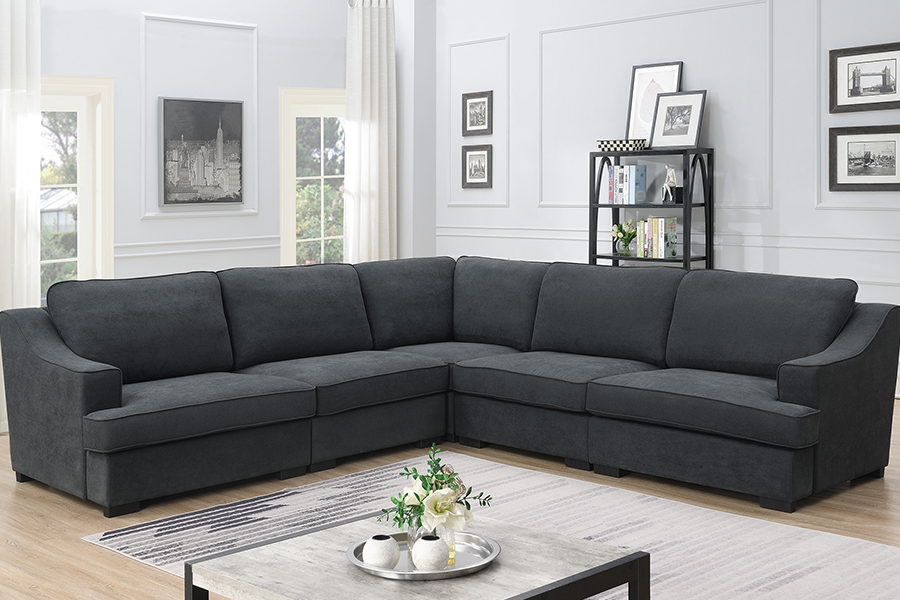
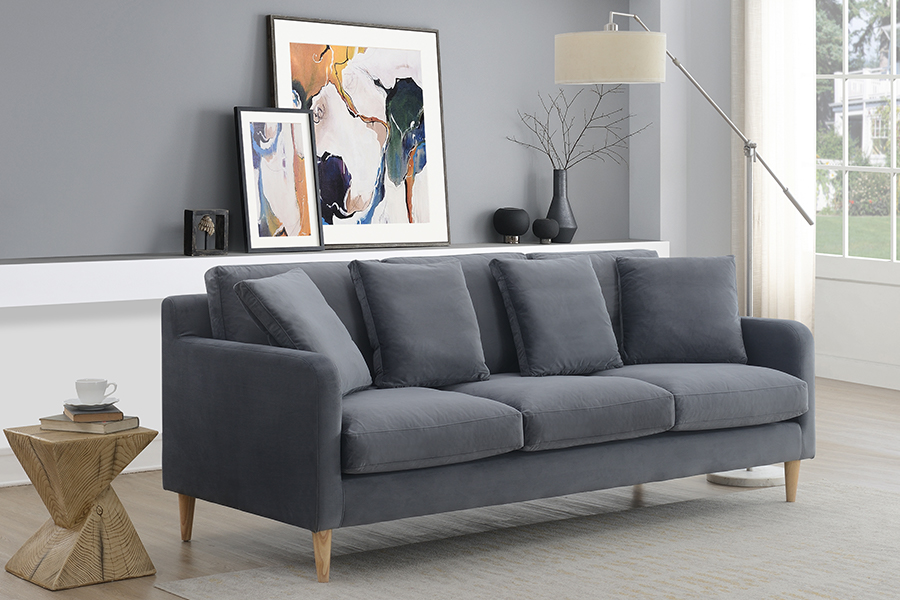
A metal-frame sofa changes the proportions of a room. Because the frame is visually lighter than a chunky wood base, the piece reads as a supporting element rather than a dominant mass. That makes it a strong choice for living rooms that also carry a dining table, a bookshelf, or a large piece of furniture on the opposite wall.
When you evaluate specific pieces, look at upholstered sofa collections that offer a metal frame option and a fabric-and-leather cover combination. A good collection lets you choose seat depth, cushion density, and cover type independently, which avoids the all-or-nothing decision between materials.
Around the sofa, consider one or two upholstered companions that keep the same cover family. An ottoman extends the seating line, gives you a footrest, and can double as a coffee table surface when a tray is placed on top. Stools and poufs achieve a similar effect in smaller rooms where a full side table feels too heavy.
Pay attention to clearance. Metal legs usually leave more space between the seat and the floor than a traditional skirting base, so a robot vacuum can pass through more easily. If young children or pets live in the house, choose covers with higher abrasion resistance — 20,000 cycles or more in the Martindale test — regardless of whether you prefer fabric or leather.
Caring for a Fabric-and-Leather Metal Frame Sofa
Both cover materials tolerate daily life when the care routine matches their chemistry. For fabric, vacuum weekly to keep dust out of the weave, and treat spills immediately with a damp cloth and a mild detergent. A removable, washable cover is the single greatest convenience a sofa in this price range can offer.
Leather requires less routine work but more regular attention. Wipe the surface with a slightly damp cloth, then apply a leather conditioner every six months to keep the material flexible. Position the sofa away from direct sunlight and heat outlets, because leather fades and dries faster than any fabric.
The metal frame is the part most people forget. Clean the rails and legs with a dry microfiber cloth to remove dust, and avoid abrasive cleaners on powder-coated finishes. If the design uses bolted connections, check them after the first year and re-tighten as needed — a few minutes with a hex key prevents the squeaks that metal joints develop over time.
For more detailed maintenance advice, see the manufacturer guidance on how to properly maintain and protect upholstered sofas.
The Bottom Line
A fabric and leather upholstered metal frame sofa is a rational buy when you shop by structure first and cover second. The frame determines how long the piece stays stable; the cover determines how it feels every time you sit down. Weld quality, cushion density, and abrasion resistance are the trio that separates a ten-year sofa from a three-year disappointment.
Buy the frame for its structure, choose the cover for your life, and verify the seams before you sign the order.
For importers, interior designers, and homeowners alike, the question is not whether metal frames are better than wood. It is whether the specific frame, cover, and build quality respond to the way the sofa will actually be used. Answer that honestly, and a metal-frame sofa becomes one of the most sensible pieces in the room.