 English
 中文简体
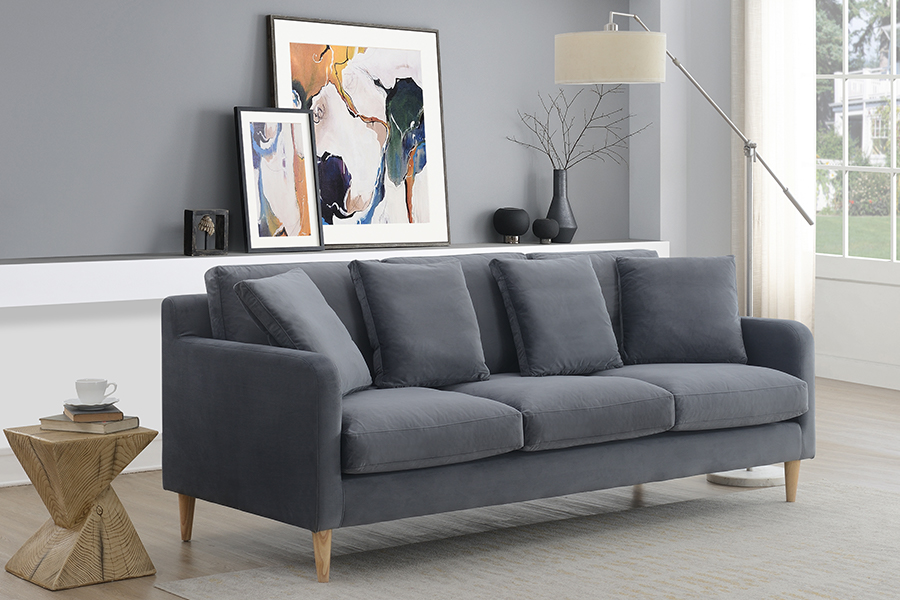
中文简体Most sofa problems begin long before the cushion or the fabric gets the blame. After two or three years of daily use, a creaky seat, a sagging front rail, or an arm that wobbles all point to the same root cause: the upholstered sofa frame. The frame carries the load of every person who sits down, and the way it is built decides whether a sofa still feels solid at year five or starts failing at year two. If you are buying a sofa, evaluate the frame first; cushions and fabric only perform as well as the structure beneath them.
What an upholstered sofa frame actually does
A sofa frame is the internal skeleton made up of the front rail, back rail, side panels, arms, back posts, and the support strips that hold the suspension. The manufacturer attaches springs or webbing to this structure, then builds up foam, batting, and the outer fabric. When you sit down, your weight travels through the cushion, into the suspension, and finally into the frame. The frame is therefore the last element in the load path, and when any joint loosens, the entire seat begins to move.
The practical result is simple: a sofa with a strong frame and mid-grade cushions usually outlasts a sofa with premium cushions and a weak frame. Cushion foam can be replaced, and fabric can be reupholstered, but a broken or warped frame typically ends the life of the piece.
Frame materials: what separates a long-lasting sofa from a disposable one
Kiln-dried hardwood is the benchmark for upholstered sofa frames. Beech, oak, ash, and maple are common choices because they combine density with the ability to hold screws and dowels. Kiln drying brings the moisture content down to roughly 6 to 10 percent, which reduces warping and cracking once the sofa is inside a heated home. When a manufacturer states that a sofa has a solid hardwood frame, this is usually what it means.
Hardwood plywood also has a legitimate place. Multi-layer plywood is strong for curved sections and wide panels, and it does not split as easily as solid wood at screw points. The problems appear when a sofa frame is made primarily from softwood, MDF, or particleboard. MDF breaks down at the screw holes, particleboard crumbles under repeated load, and softwood splits at joints. These materials keep the selling price low, but they also set the expiry date of the sofa.
| Frame material | Relative strength | Main risk | Where it works well |
|---|---|---|---|
| Kiln-dried hardwood (beech, oak, ash, maple) | High | Low when the joints are done properly | Main rails, arms, back posts |
| Hardwood plywood | Medium to high | Delamination if moisture enters the edges | Curved panels, wide side panels |
| Softwood (pine, fir) | Medium | Splits around screws and dowels | Budget frames, non-visible trim |
| MDF or particleboard | Low | Screw holes strip, edges crumble | Backer panels only |
Whenever a product description says "wood frame" without naming the species, treat the label as a warning sign. A named hardwood such as beech or oak tells you far more than a vague claim.
Joinery and assembly: where frames become strong or fail early
Two sofa frames can use the same hardwood and still behave completely differently if one is glued and screwed while the other is stapled. The durability of a frame depends on how the rails meet at the corners and how the manufacturer fixes the joints.
A well-built frame uses glued dowels, double dowels at stressed corners, screws reinforced with corner blocks, or mortise-and-tenon joinery. Corner blocks are small triangular braces fitted into the corners of the seat frame. They prevent the front rail from twisting away from the arm. When these blocks are glued and screwed into place, the front of the sofa stays square. When they are missing or only stapled, the rail moves every time someone sits.
The suspension depends on the same rigidity. Sinuous springs are hooked to metal clips on the front and back rails, and eight-way hand-tied springs are tied to the frame with twine. If the frame flexes, the springs lose tension and the seat sags. This is why the details of modular sofa frame construction directly affect a sofa's stability and longevity. A rigid frame keeps the suspension working; a flexible one undoes it.
You can also check how the manufacturer fastens the frame. Staples are acceptable for fabric and webbing, but they should never be the primary fastener for load-bearing joints. Corners assembled with stapled butt joints move, make noise, and fail within a couple of years.
What a weak frame feels like after years of use
Once a frame starts to fail, the signs are consistent. The seat develops a visible slope toward the front because the front rail drops. The sofa begins to creak or knock when someone sits down. The back feels loose when you push against it from the front. In the worst cases, a leg or arm splits away from the body of the sofa.
These failures share one characteristic: they are expensive to repair. Replacing a foam cushion costs a fraction of the sofa price, but replacing a broken front rail means stripping off the fabric, disassembling the frame, and rebuilding the sofa. Most owners simply buy another sofa. Frame quality, in other words, is the difference between a purchase you replace in three years and one you still rely on after ten.
Five quick checks before you choose a sofa
You can evaluate a frame in a showroom in under a minute, even when the upholstery is fully installed.
- Lift one front corner by the arm. A sturdy frame lifts as one unit; a weak frame twists or flexes near the corner.
- Press firmly into the center of the back, then into an arm. If the panels flex noticeably, they are probably thin plywood rather than solid hardwood.
- Look underneath the sofa if the dust cover is removable. You should see corner blocks, screws, or dowels rather than stapled butt joints.
- Ask what wood is inside and whether it was kiln-dried. An honest answer names a species such as beech or oak.
- Check the warranty language for the frame. A manufacturer that backs the frame with a long structural warranty usually builds it well enough to honor that promise.
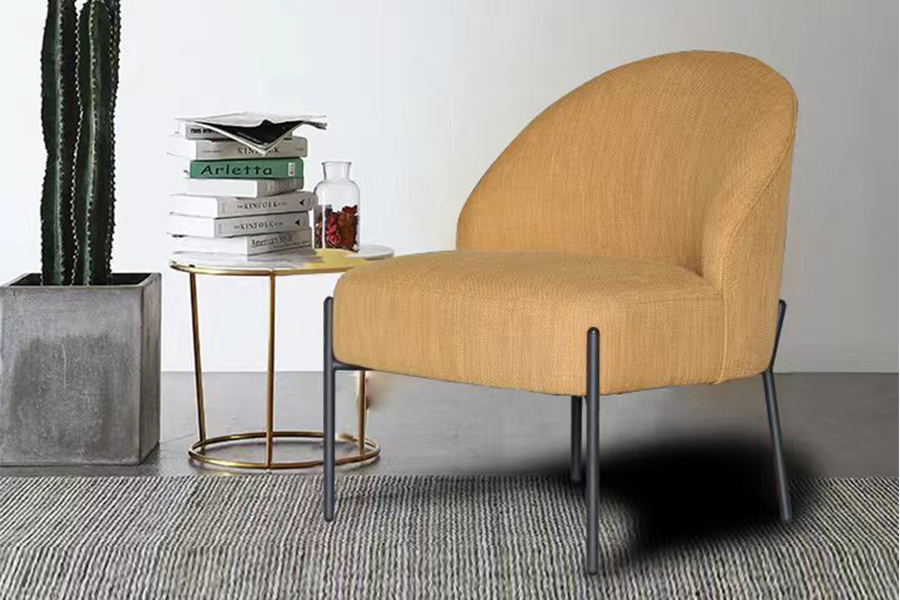
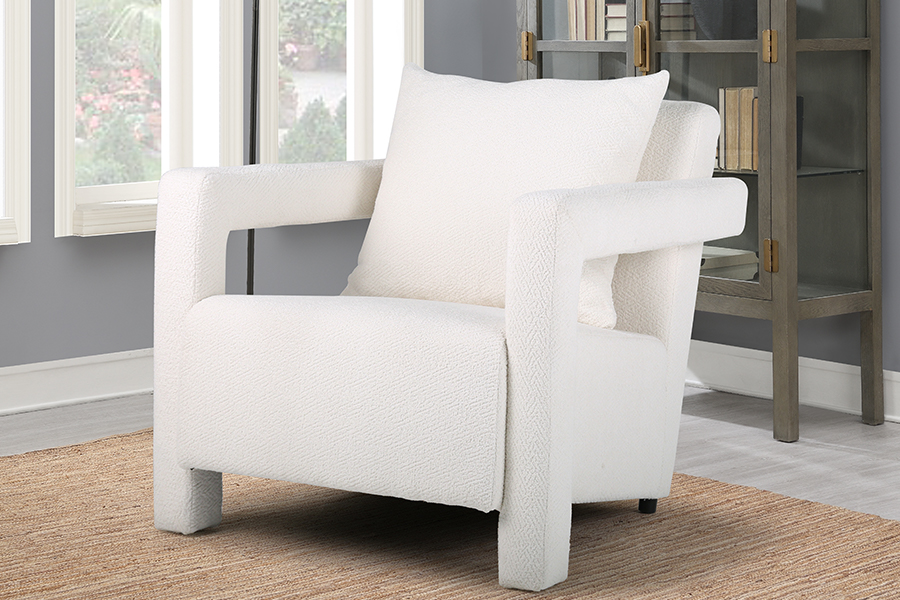
The same checks apply to every piece of upholstered seating. An upholstered accent chair carries less weight than a sofa, but the chairs that wobble after a season are almost always the ones with softwood or stapled frames.
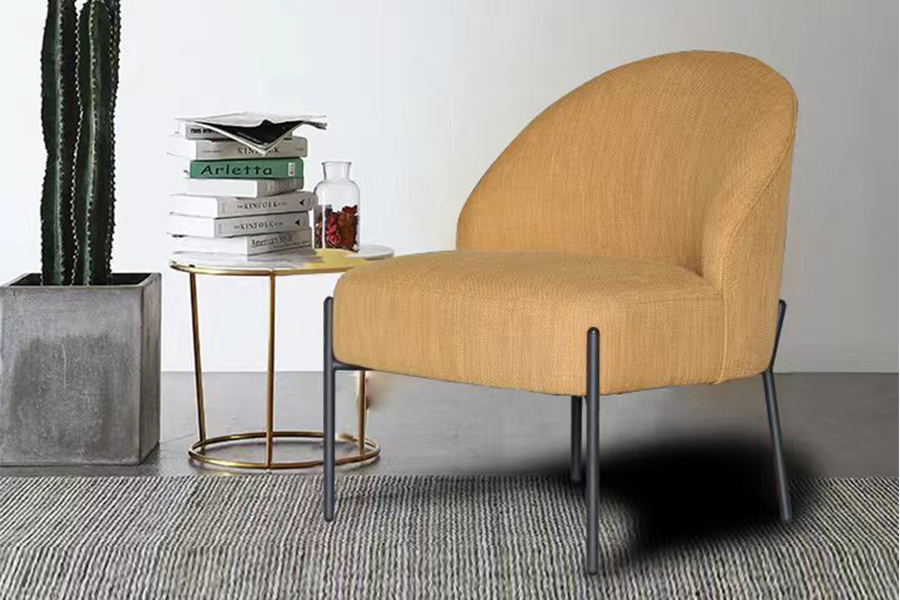 Upholstered Accent Chairs Manufacturers, Accent Chair SuppliersAs China upholstered accent chair manufacturers and accent chairs suppliers, Ningbo Mengying Home Furnishing Co., Ltd. wholesale wingback...View Product →
What to confirm when you source sofas from a factory
If you are buying for a retail line, a hotel project, or an import program, the frame is the part you cannot inspect after the sofa is finished. That is why purchasing teams should put frame specifications into the order contract: the exact wood species, the target moisture content, the joinery method, the type of corner blocks, and the suspension system. These details are more reliable than a general promise of "good quality".
Custom development is where this matters most. When a factory builds a sofa around your design, the frame drawing decides where the stress points sit, and a small change in rail size can turn a sturdy design into a squeaky one. Factories with in-house engineering and prototype capability adjust the frame before tooling starts. The upholstered sofas produced in our own workshop, for example, are built around kiln-dried hardwood frames with glued and screwed corner blocks, and the same specification applies when we develop custom pieces for clients. As an upholstered furniture manufacturer, we treat the frame specification as the first page of every order.
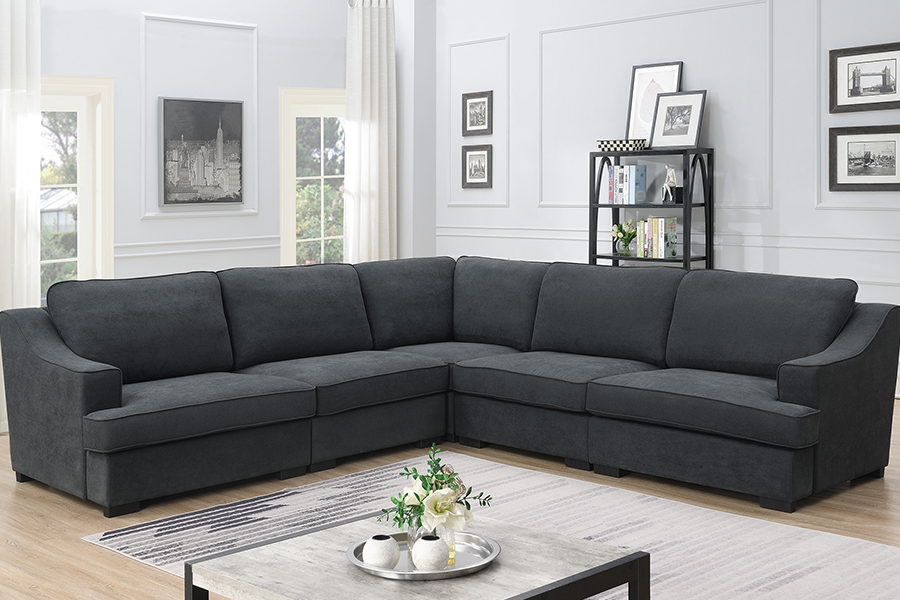
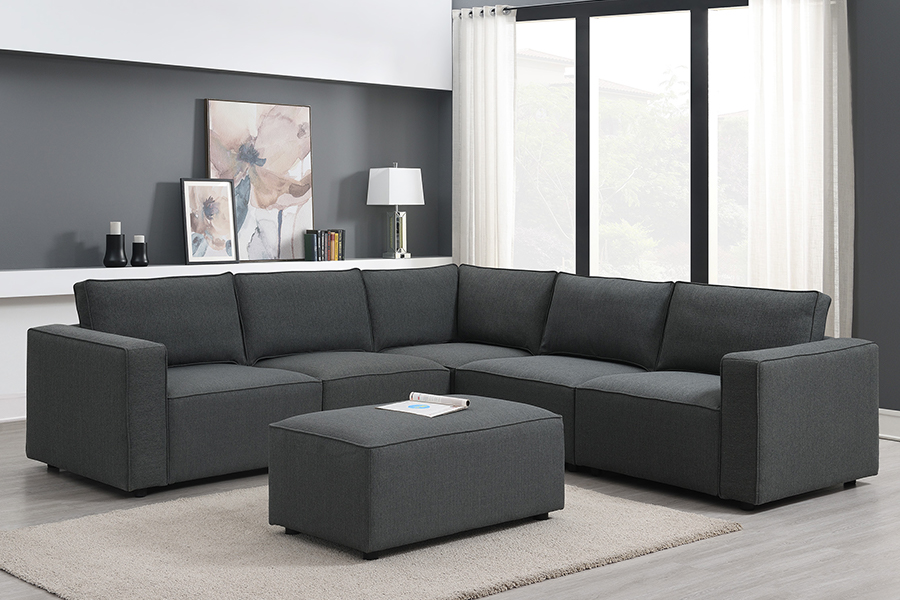
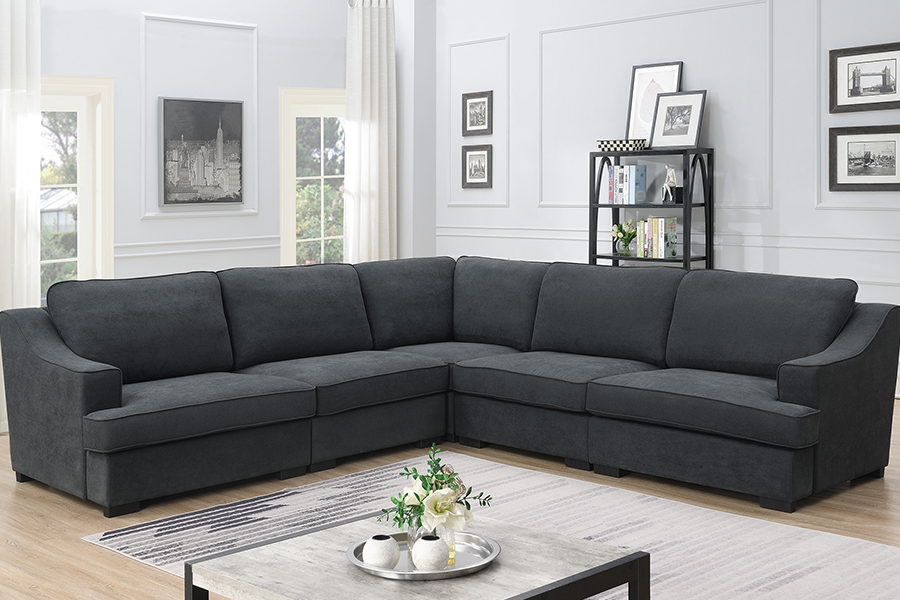 Modular Upholstered Sofas Manufacturers, Upholstery Sofa SuppliersNingbo Mengying Home Furnishing Co., Ltd. is China modular upholstered sofas manufacturers and upholstery sofa suppliers, we wholesale mo...View Product →
Frame versus upholstery: where the lifespan really comes from
It is worth separating the two layers of a sofa when you compare options. The frame determines longevity: it decides whether the piece holds its shape, stays quiet, and keeps the suspension working. The upholstery determines comfort, style, and maintenance: the fabric feels different, the foam delivers softness or firmness, and removable covers make cleaning easier.
Both layers matter, but they are not equally replaceable. Because the frame stays hidden until the sofa is destroyed, buyers often misjudge where to spend their money. Investing in a better frame is almost always more rational than paying a premium for a designer fabric stretched over a weak structure.
The bottom line
The next time you compare sofas, start with the frame. Look for named kiln-dried hardwood, glued and screwed joints, reinforced corners, and a suspension anchored to a structure that does not flex. A sofa whose frame passes these checks will still look and feel right after years of use, and it can be reupholstered when the fabric eventually wears out. A sofa whose frame fails never gets that chance.
The same frame principles apply across the room, from upholstered beds and headboards to ottomans and poufs, so use the same checklist for every upholstered piece you buy.
 Wholesale Upholstery Beds & Headboards Manufacturers, Suppliers, FactoryNingbo Mengying Home Furnishing Co., Ltd. is China upholstery Beds & Headboards Manufacturers and Beds & Headboards suppliers, our factor...View Product →