 English
 中文简体
中文简体When a retail buyer opens an upholstered sofa and chairs range, the first impression always comes from the silhouette and the fabric. The second impression — twelve months later — decides whether the collection stays on the floor. By then the frame may have loosened, the seat cushion may have lost its snap, and the cover may be pilling in the wear zones. The gap between those two impressions is exactly what separates well-engineered upholstery from pieces that only photograph well.
This guide explains what professional buyers should inspect before committing to an upholstered seating program: frame construction, cushion specifications, fabric performance, customization flexibility, and the factory-level checks that reduce risk. The goal is practical — to give you a checklist you can use in a showroom, in a sample review, or in a conversation with a supplier.
Frame Construction: Where Sofa Quality Is Decided
Our starting point is a simple conclusion: the frame is the most reliable predictor of how long an upholstered sofa or chair will last. Low-cost production often uses softwood or engineered panels that loosen within a couple of years of normal use. Kiln-dried hardwood frames, on the other hand, hold their shape, keep joints tight, and give the suspension system a stable anchor.
The difference is visible in the joinery. Corner blocks, dowelled joints, and glued-and-screwed connections add structural strength that stapled frames cannot match. The leg-to-frame connection matters just as much: legs bolted into a solid rail survive repeated moving and cleaning, while legs screwed into thin panel material are one of the most common early failure points.
The suspension system beneath the seat cushions is equally critical. Most mid-range and better pieces use sinuous or no-sag springs, while premium programs may specify hand-tied eight-way springs for a deeper, more responsive seat. What you want from a supplier is a clear specification: spring wire gauge, spacing, and the type of webbing used on the back. When a factory can state these numbers in writing, the product has been engineered rather than assembled to a price.
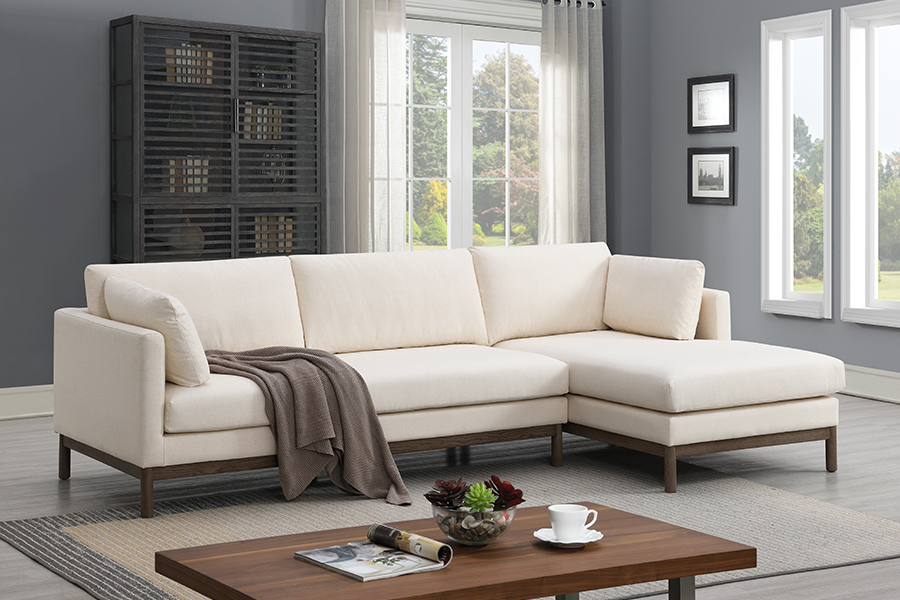
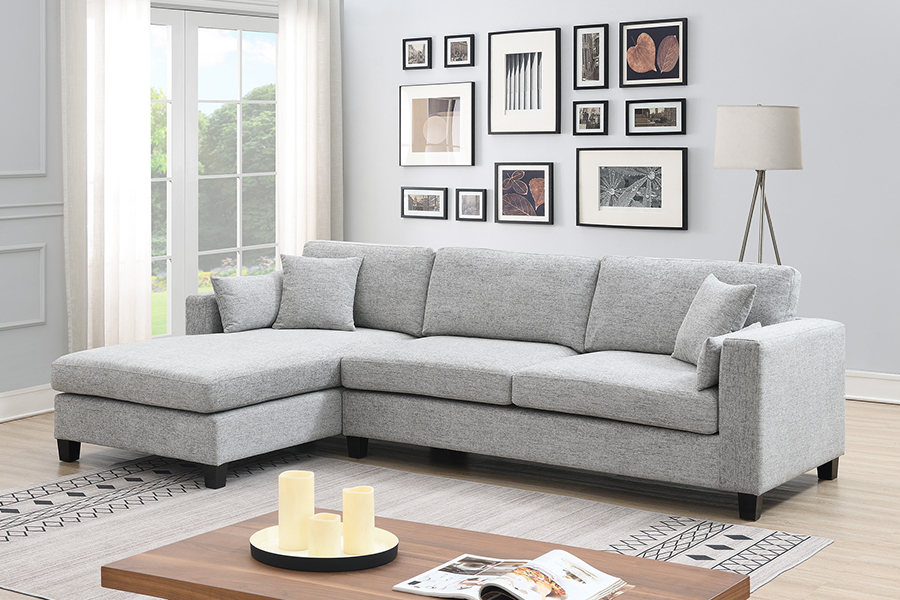
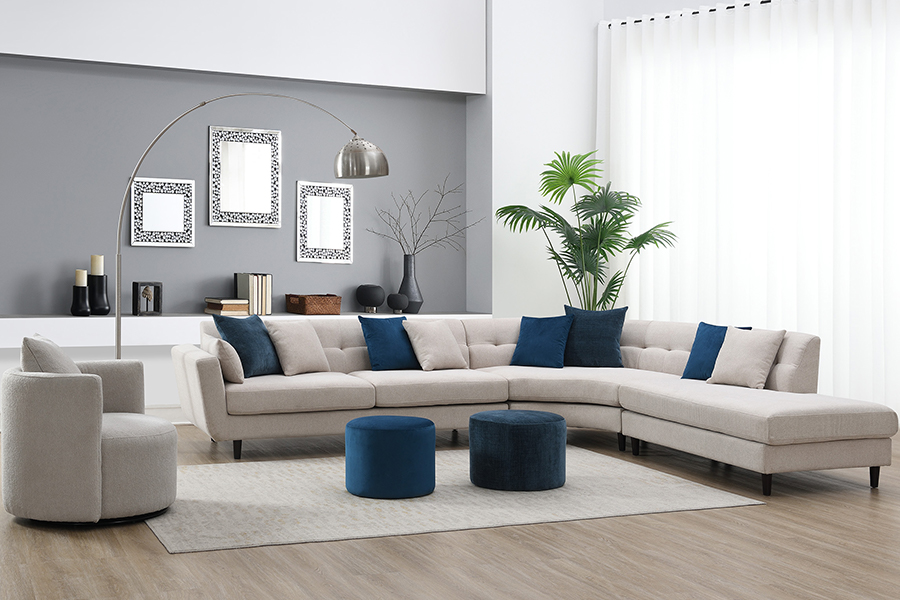
For our own production, this is the logic behind every residential and contract order. Our factory in Anji has invested in imported CNC machinery and an ERP system that tracks each frame from cutting through finishing. To see the construction styles available across standard and custom programs, browse our upholstered sofa range.
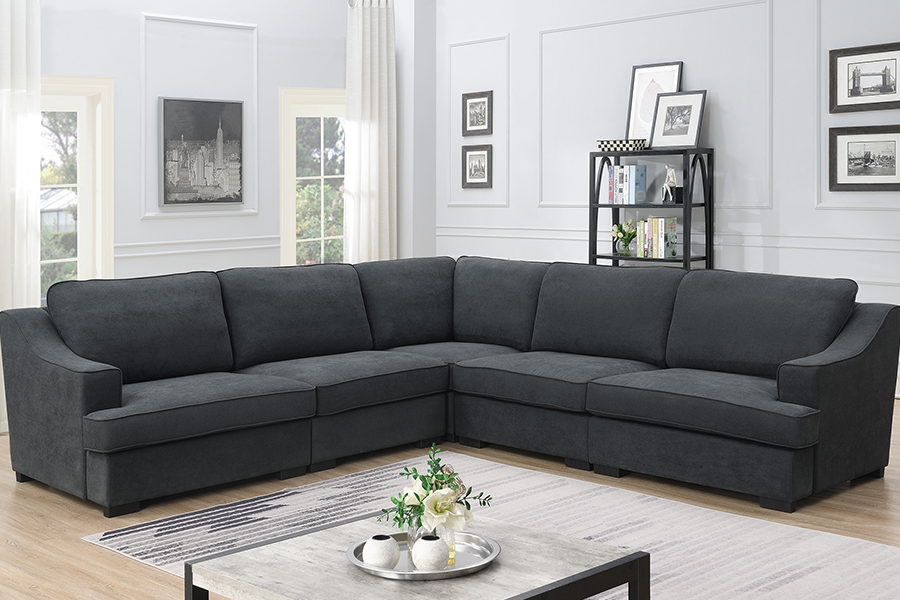 Modular Upholstered Sofas Manufacturers, Upholstery Sofa SuppliersNingbo Mengying Home Furnishing Co., Ltd. is China modular upholstered sofas manufacturers and upholstery sofa suppliers, we wholesale mo...View Product →
Cushions, Fillings, and the Seating Specifications That Matter
Comfort feels subjective, but cushion performance is measurable. Two numbers matter most: foam density and foam hardness, expressed as ILD, or indentation load deflection.
Foam Density and ILD
Density, measured in kilograms per cubic meter, determines how long foam keeps its shape. Low-density foam softens and sags quickly; high-resilience foam at 35 kg/m3 or above recovers far better under years of repeated use. ILD describes how firm the cushion feels. A common mistake in contract buying is specifying "high density" without setting an ILD range, which can produce a cushion that is dense but uncomfortably hard.
Support Layers and Cushion Build
Good cushion construction also includes a support layer. Many manufacturers wrap a firm foam core in polyester fiber, or combine a pocket-spring core with a foam topper, to imitate the feel of feather seating while keeping the shape retention of engineered foam. That hybrid construction is a frequent choice in hospitality programs for a reason.
Seat Depth, Height, and Proportions
Seat depth and height complete the ergonomic picture. A seat depth of 48 to 52 cm suits most adults; deeper platforms of 55 cm or more fit lounging-oriented modular sofas. Seat height should track the knee height of the intended users. For lobbies, showrooms, and other public spaces where users change constantly, a middle range is safer than an extreme low-lounger profile. When upholstered chairs sit next to a sofa in a grouped layout, matching seat heights across the set makes the room feel visually balanced.
Fabric, Removable Covers, and Custom Orders
Fabric receives most of the visual attention and is also the layer most likely to need renewal. For commercial projects, abrasion resistance is the first specification to check: a rating above 30,000 Martindale cycles is usually recommended for high-traffic seating, while 15,000 to 25,000 cycles can be acceptable for residential use. Lightfastness, pilling resistance, seam slippage, and cleaning codes matter just as much as the initial hand feel.
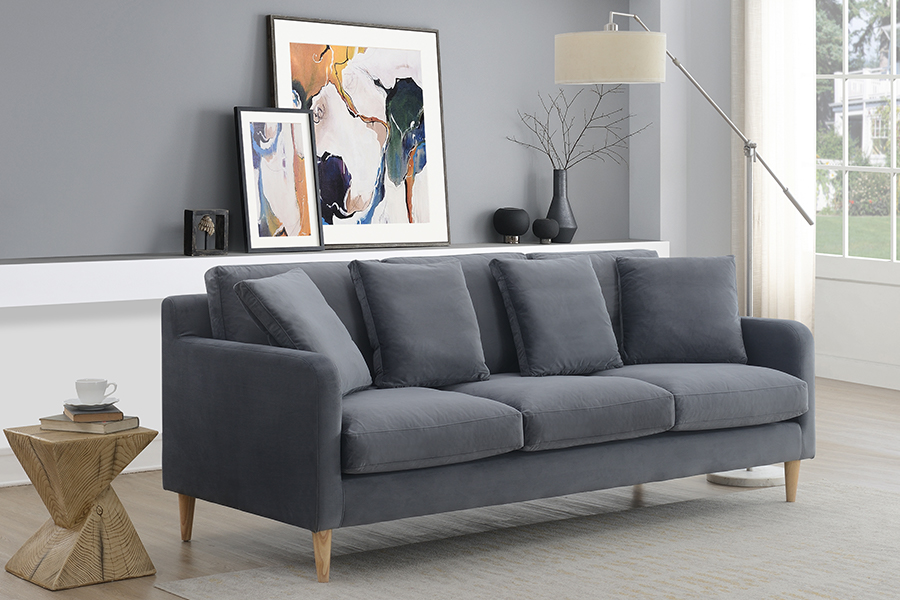
Removable covers are one upgrade that pays for itself over time. Washable or replaceable covers make maintenance predictable, and for retailers they simplify after-sales service. We explain the practical side of this decision in our overview of the benefits of upholstered sofas with removable covers, including how customers react to them and how they influence production planning.
Customization is where a manufacturer's experience becomes obvious. A capable factory offers more than "pick a fabric from the book." Expect options to adjust frame dimensions for a collection layout, engineer cushion firmness to a specified ILD, develop proprietary prints or leather finishes, and reproduce French or American style details such as turned legs, nailhead trim, and skirted bases. Ask about every covered item on your list — sofas, chairs, benches, and ottomans — and see whether the factory treats them as one coordinated seating family or as unrelated one-off pieces.
Modular Sofas and Accent Chairs for Flexible Layouts
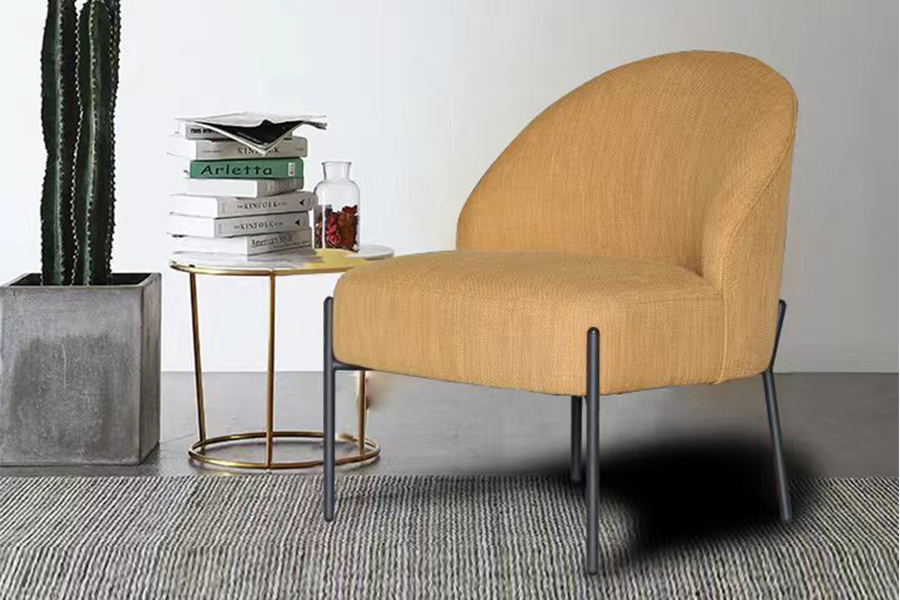
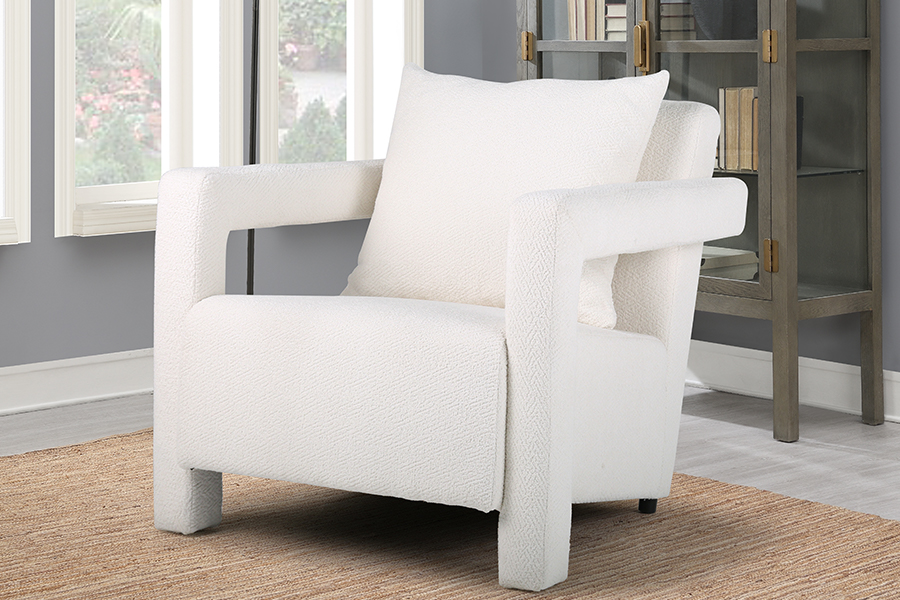
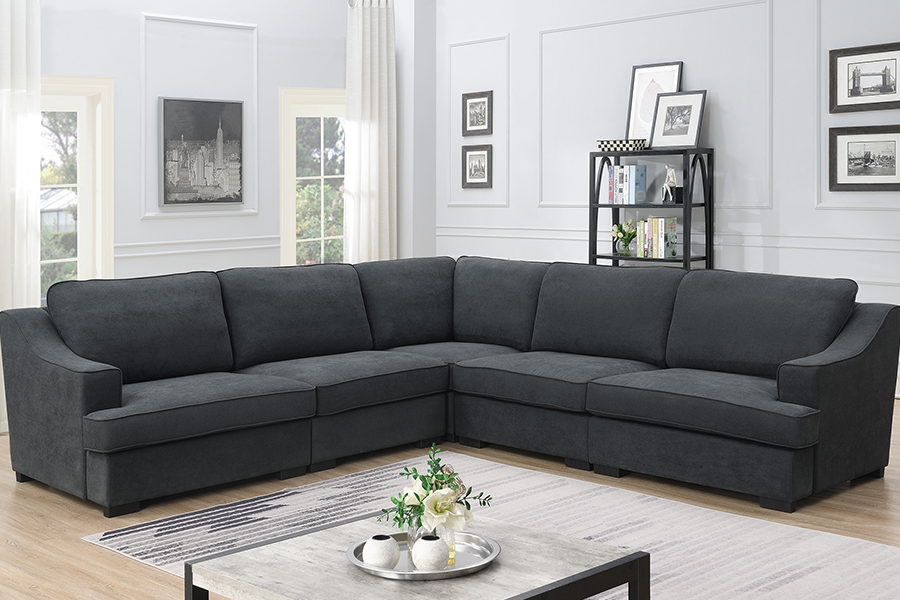
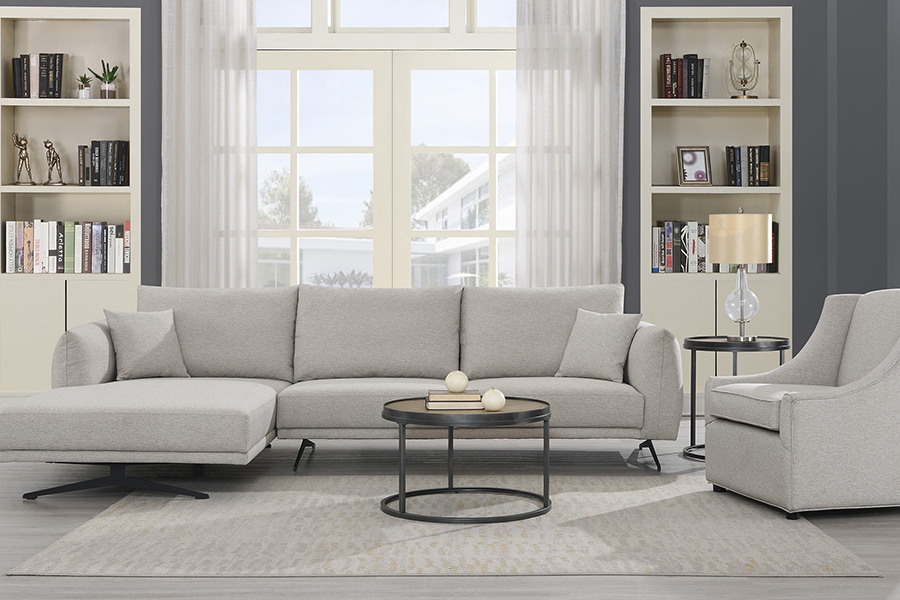
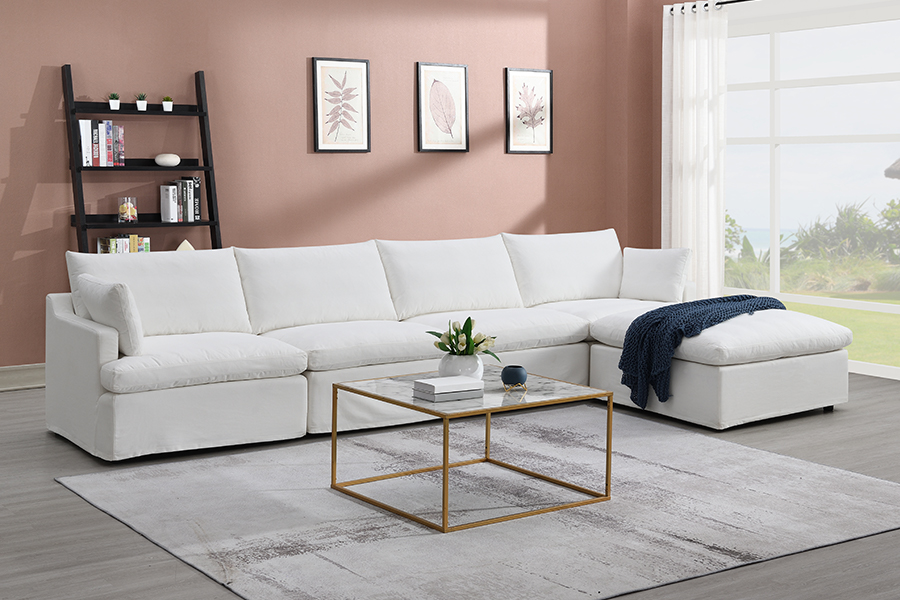
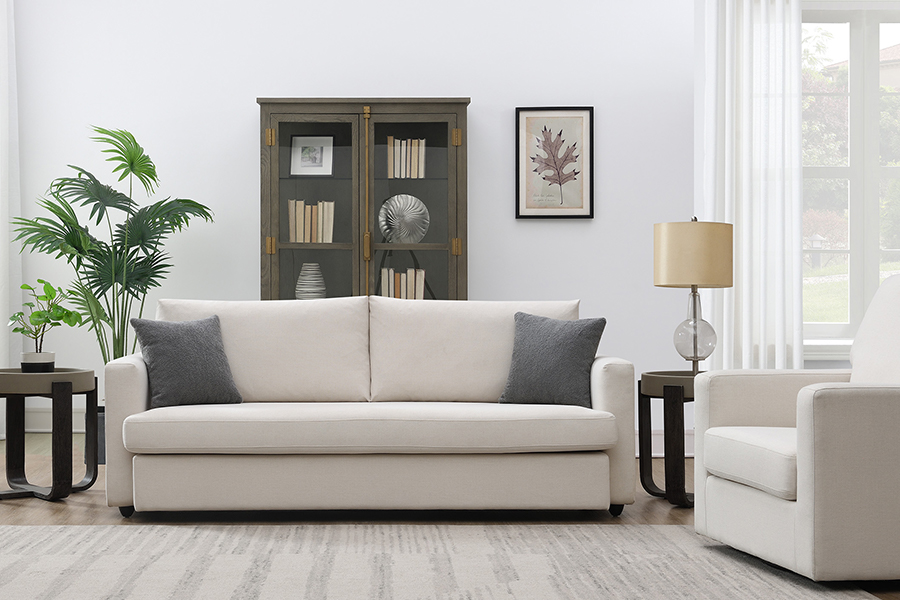
Modular upholstered sofas have moved from a niche product to a mainstream category because they solve a practical problem. They pass through narrow doorways, fit up staircases, reconfigure when a room's function changes, and allow retailers to cover more layouts with fewer SKUs. Accent chairs follow the same logic. An upholstered accent chair creates a secondary seating zone, fills an empty corner, or offers a quiet reading spot that a sofa cannot provide — and when the chair shares the sofa's fabric family and seat height, the entire group reads as one intentional design. Our upholstered chair selection includes low-back accent chairs, tub chairs, and dining-height options, so you can match seating to the exact use case.
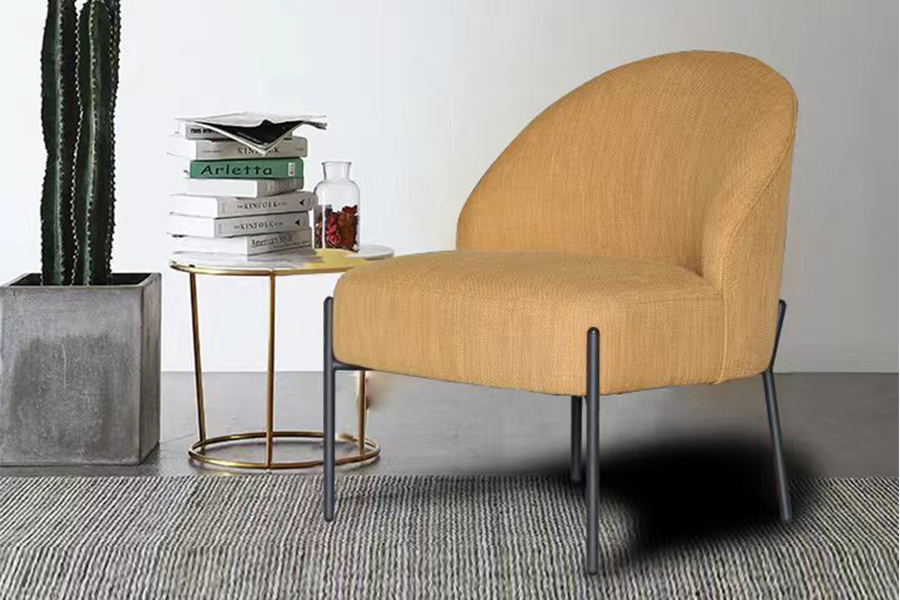 Upholstered Accent Chairs Manufacturers, Accent Chair SuppliersAs China upholstered accent chair manufacturers and accent chairs suppliers, Ningbo Mengying Home Furnishing Co., Ltd. wholesale wingback...View Product →
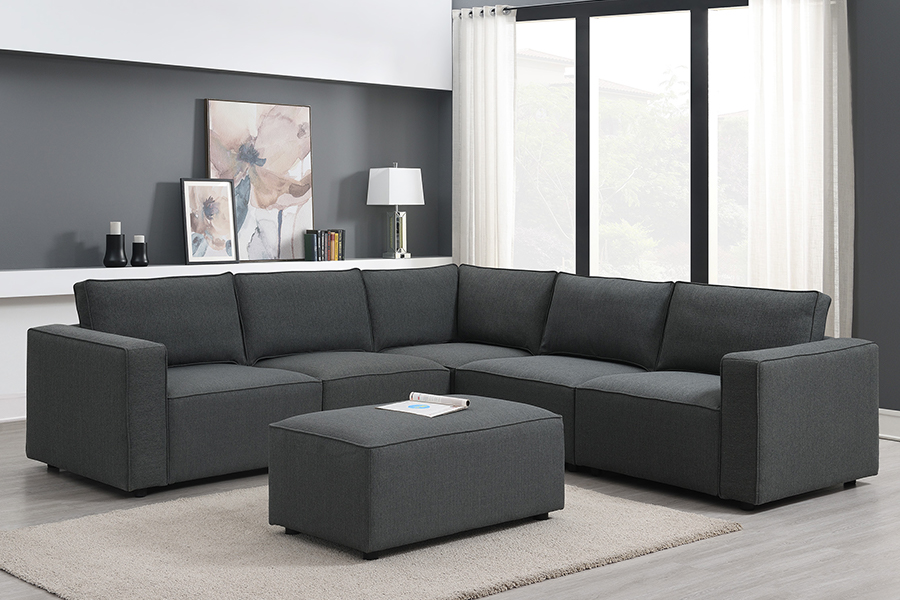
The technical point to verify with modular seating is the connection mechanism. Weak connectors loosen over time; better designs use metal locking brackets that hold modules together without visible gaps. We look at how modular sofas compare with fixed sofas in comfort and support, since that decision is not always obvious for a brand's first modular program.
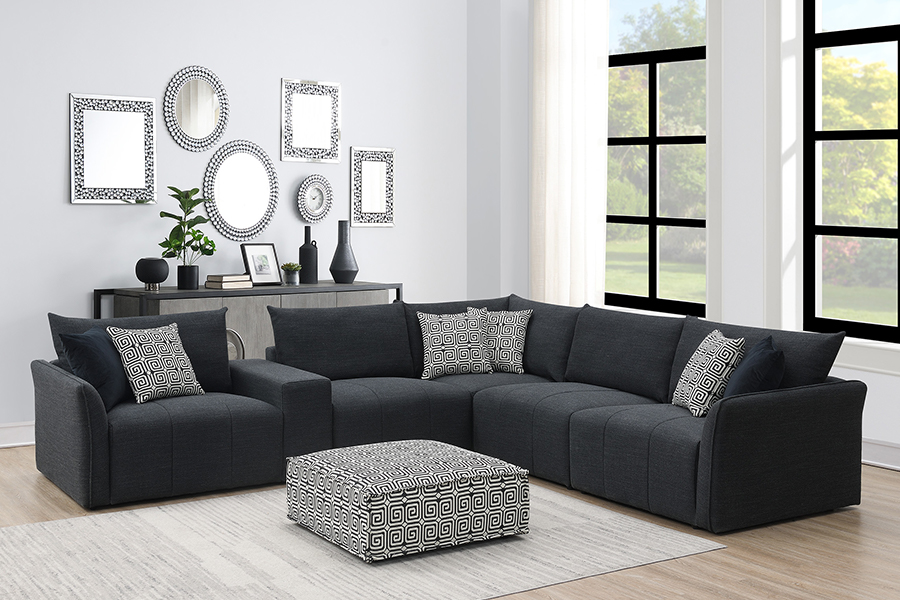
To complete a full upholstered package for a villa, hotel room, or retail display, ottomans, stools, and poufs extend the same seating language into extra pieces without the cost of designing new products. They are also the most practical way to add flexible extra seating to a lounge configuration. Our ottoman and stool options are designed to match the sofa and chair programs in proportion and cushion build.
 Wholesale Upholstery Ottomans, Stools & Poufs Manufacturers, Suppliers, FactoryNingbo Mengying Home Furnishing Co., Ltd. is China upholstery Ottomans, Stools & Poufs Manufacturers and Ottomans, Stools & Poufs supplie...View Product →
How to Evaluate an Upholstered Furniture Manufacturer Before You Commit
Once you know what good upholstered furniture looks like on paper, the next step is verifying the factory behind it.
Certifications and Management Systems
Certifications are a reasonable starting point. ISO 9001 signals a documented quality management system, ISO 14001 covers environmental management, and OHSAS 18001, now structured under ISO 45001, addresses occupational health and safety. None of these guarantee a perfect product, but they indicate that the facility runs on procedures rather than improvisation. Our production site in Anji, China, has been manufacturing upholstered seating since 1999, holds all three certifications, and every order is tracked through our ERP system from material purchasing to container loading.
A Practical Inspection Checklist
Beyond certificates, ask directly about frame timber, foam density and ILD, spring type, fabric test reports, and the sampling process. A factory that answers with concrete numbers is easy to audit against. One that responds with generic promises is harder to hold to account.
| Component | What to verify | Why it matters |
|---|---|---|
| Frame | Kiln-dried hardwood, corner-blocked joints, bolted legs | Prevents loosening, wobble, and early frame failure |
| Suspension | Spring wire gauge, spacing, webbing quality | Keeps seat support level and durable |
| Cushions | Foam density, ILD range, support layers | Balances comfort with long-term shape retention |
| Fabric | Martindale rating, lightfastness, cleaning code | Predicts wear and fading under real usage |
| Covers | Removable or fixed, seam construction, zipper quality | Determines maintenance cost and repair ease |
Commercial buyers should also check minimum order quantities, sample lead times, inspection flexibility, and whether the factory can hold buffer stock for top-up orders. The European and North American brands we manufacture for typically run two or three rounds of pre-production samples before approving a new program. A factory that accepts that process without friction is worth more than one offering faster but riskier turnaround.
Maintenance is the final factor. A well-specified care routine — vacuuming, rotation of seat cushions, and prompt cleaning of spills — extends the life of upholstered sofa and chairs significantly. Our maintenance and protection guide for upholstered sofas walks through the steps we recommend passing on to end customers.
With the right manufacturer, upholstered seating becomes a dependable part of your lineup instead of a constant source of returns and complaints. Whether you are developing a classic French-inspired collection or a clean American modern line, choose a partner who talks about density, ILD, joinery, and Martindale ratings as naturally as they talk about style. Those details are what keep upholstered furniture selling — and sitting — well for years.