 English
 中文简体
中文简体Material & Design — Outdoor Living
Is Solid Wood a Better Choice for Outdoor or Semi-Outdoor Use Than Composite Materials?
A close look at how natural wood behaves under sun, rain, and shifting humidity — and where it still earns its place against engineered alternatives.
The Short Answer
In most outdoor or semi-outdoor settings, composite materials outperform solid wood in durability, moisture resistance, and long-term maintenance costs. Solid wood is not inherently suited to constant exposure to rain, humidity swings, UV radiation, and temperature fluctuations unless it comes from a naturally weather-resistant species and receives regular sealing or oiling. Composite materials, by contrast, are engineered specifically to resist these conditions with minimal upkeep.
For furniture that lives permanently outside — patio sets, garden benches, covered porch pieces — composite is generally the more practical choice. Solid wood remains the better option for semi-outdoor spaces that are shielded from direct weather, such as covered patios, sunrooms, or three-season porches, where its natural warmth and repairability can be enjoyed without the harshest exposure risks.
This distinction matters because many buyers researching a solid wood dining room table for an enclosed patio or sunroom assume the same material logic that applies indoors will carry over outside. It does not. Indoor pieces, including a wooden dining round table placed in a breakfast nook near sliding doors, face far gentler conditions than furniture left exposed to seasonal weather changes.
How Solid Wood Reacts to Moisture and Humidity
Wood is a hygroscopic material, meaning it absorbs and releases moisture depending on the surrounding humidity. In outdoor environments, this cycle happens constantly and unevenly. Rain, morning dew, and humid air cause the wood fibers to swell, while sun exposure and dry spells cause them to contract. Over repeated cycles, this expansion and contraction leads to warping, cupping, and surface cracking.
Typical Moisture-Related Damage
- Cupping or bowing across the width of tabletops
- Surface checking, or fine cracks that develop along the wood grain
- Joint loosening as glued or doweled sections shift with repeated swelling
- Mold or mildew growth in shaded, damp spots that don't dry quickly
Composite materials, such as high-density polyethylene (HDPE) lumber or wood-plastic composites, do not absorb moisture in the same way. Their non-porous or low-porosity structure means they hold their shape through wet and dry cycles far more consistently — which is precisely why they remain the standard material for permanently exposed outdoor furniture.
UV Exposure and Surface Degradation
Ultraviolet light breaks down the lignin in wood, the natural compound that gives wood fibers their structure and color. This process, known as photodegradation, causes untreated or unsealed wood surfaces to gray, fade, and become rougher in texture over time. A finish or sealant slows this process but does not stop it entirely, and reapplication is required every one to two years for pieces in direct sun.
Composite decking and furniture materials are typically manufactured with UV inhibitors mixed directly into the material, rather than relying on a surface coating — the resistance is built in, not applied on top.
For a covered porch with filtered sunlight, wood fares reasonably well; for a fully exposed patio, composite materials retain their appearance with significantly less intervention.
Comparing Maintenance Requirements
Maintenance is often the deciding factor for buyers weighing solid wood against composite for semi-outdoor use. The table below outlines the general upkeep differences based on typical manufacturer guidance and common furniture care practices.
| Maintenance Task | Solid Wood | Composite |
|---|---|---|
| Sealing or oiling frequency | Every 6–12 months outdoors | Not required |
| Cleaning method | Soft cloth, wood-safe cleaner | Soap and water, hose-down safe |
| Risk of warping | Moderate to high | Very low |
| Color fading over 3 years | Noticeable without resealing | Minimal |
| Repairability | Sandable and refinishable | Limited repair options |
The one advantage solid wood retains here is repairability. A scratched or dented wood surface can be sanded down and refinished repeatedly over its lifespan, while a damaged composite panel usually has to be replaced outright.
Which Wood Species Handle Semi-Outdoor Conditions Best
Not all solid wood behaves the same way in humid or variable environments. Species with naturally high oil content and tight grain structure resist moisture penetration far better than softer, more porous woods.
Species Ranked by Natural Weather Resistance
- Teak — naturally high oil content, minimal warping even with irregular sealing
- Acacia — dense grain, moderate natural resistance to moisture
- White oak — closed grain structure limits water absorption compared to red oak
- Cedar — lightweight and naturally resistant to rot, though softer and prone to denting
- Pine — affordable but highly porous, requires the most frequent sealing
If a buyer already owns an indoor solid wood dining room table made from oak or maple, it is worth noting that these species were selected for indoor stability, not outdoor resilience, and should not be relocated to an uncovered patio without protective treatment.
Semi-Outdoor Spaces Where Solid Wood Still Makes Sense
Semi-outdoor use is a broad category, and the right material choice depends heavily on how much protection the space actually provides. A screened porch with a roof overhead behaves very differently from an open deck.
Good Fit for Solid Wood
- Covered, screened-in porches shielded from direct rain
- Enclosed sunrooms with climate control or partial insulation
- Three-season rooms used mainly in dry, mild months
Better Suited to Composite
- Fully open patios and decks exposed to rain and sun
- Poolside or waterfront areas with high humidity and splash exposure
- Coastal locations where salt air accelerates material breakdown
In a shielded sunroom, a round table shape is a common choice because it maximizes seating flexibility in smaller footprints. A wooden dining round table in this setting can perform well for years, provided the space stays dry and the finish is checked periodically for wear.
Cost Comparison Over a Realistic Ownership Period
Upfront price is only part of the calculation. Solid wood furniture intended for semi-outdoor use typically requires sealant, oil, or varnish reapplication that adds recurring cost, along with the labor or time investment of doing it correctly. Composite furniture has a higher average upfront price in many product categories but avoids these recurring costs almost entirely.
Solid wood furniture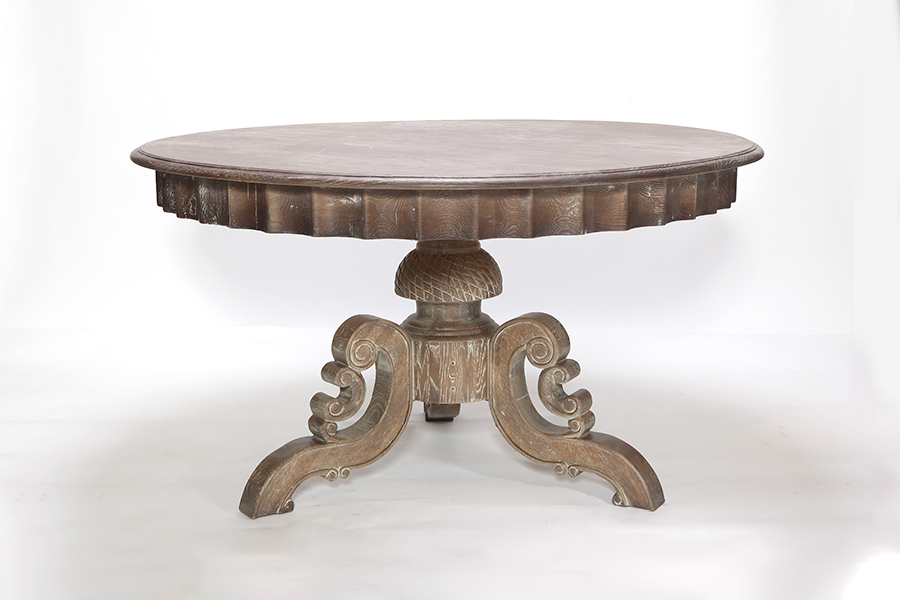
Over a five- to ten-year ownership period in a semi-outdoor setting, the total cost of solid wood ownership can approach or exceed composite once maintenance products, occasional refinishing, and replacement of severely warped pieces are factored in. For buyers who intend to maintain their furniture diligently and enjoy the process, this cost is offset by the ability to repair and refinish rather than replace. For buyers who want a low-effort, install-and-forget solution, composite remains the more cost-stable option over time.
Practical Recommendations Before Choosing a Material
Before deciding between solid wood and composite for a semi-outdoor space, it helps to evaluate a few practical factors specific to the location and how the furniture will actually be used.
- Assess how much direct rain or sun the space actually receives across all four seasons
- Consider how often you realistically will commit to resealing or oiling the surface
- Factor in local climate extremes, including humidity levels and freeze-thaw cycles
- Weigh aesthetic priorities, since solid wood offers a natural grain and warmth that composite cannot fully replicate
- Check whether the space has adequate airflow to prevent moisture from becoming trapped against the wood surface
Placing an untreated, indoor-grade wood piece directly in an uncovered, weather-exposed location is the fastest path to warping, cracking, and joint failure — often within a single season.
In Summary
For a fully enclosed, low-humidity space, solid wood can be a reasonable choice, and many buyers extend the life of an indoor-style solid wood dining room table into a converted sunroom without major issues. For anything exposed to genuine weather, composite materials remain the more reliable and lower-maintenance option, offering consistent performance without the seasonal upkeep that solid wood demands.