 English
 中文简体
中文简体If you live in a small apartment and are deciding between a modular upholstery sofa and a fixed-frame upholstery sofa, the short answer is: a modular upholstery sofa is generally more practical for small spaces. It offers reconfigurable layouts, easier transportation through narrow doorways, and long-term adaptability as your living situation changes. That said, the right choice depends on several specific factors — including your floor plan, lifestyle, and budget — which this article breaks down in detail.
What Is a Modular Upholstery Sofa?
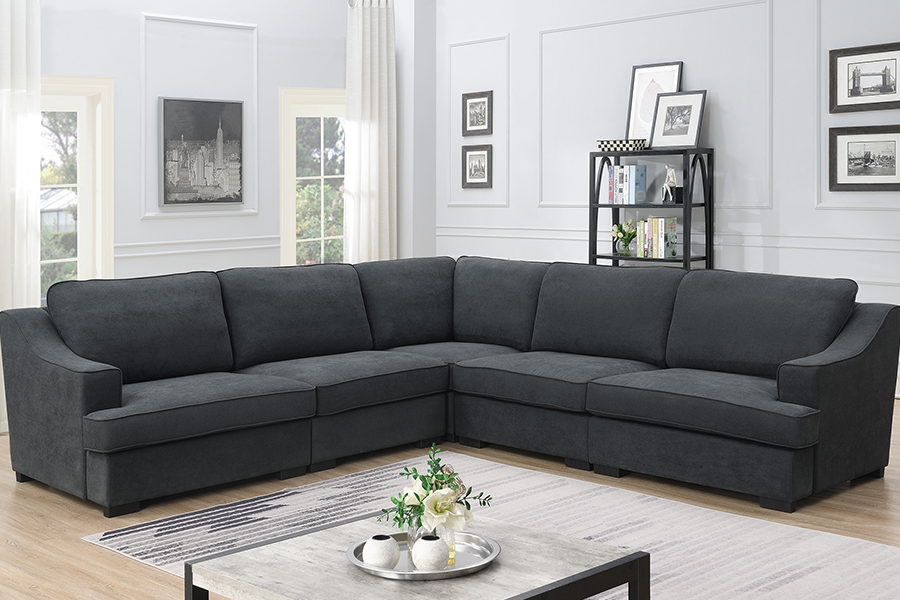
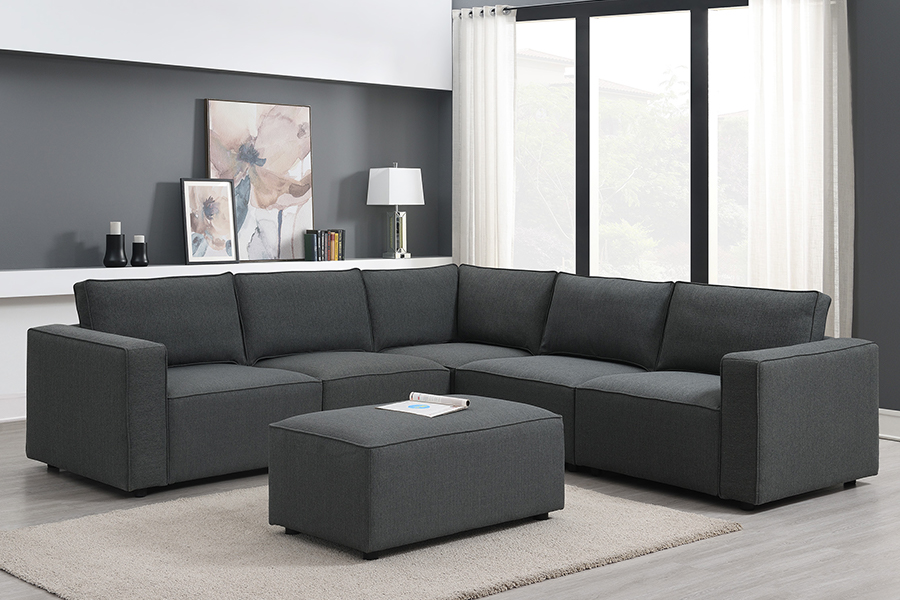
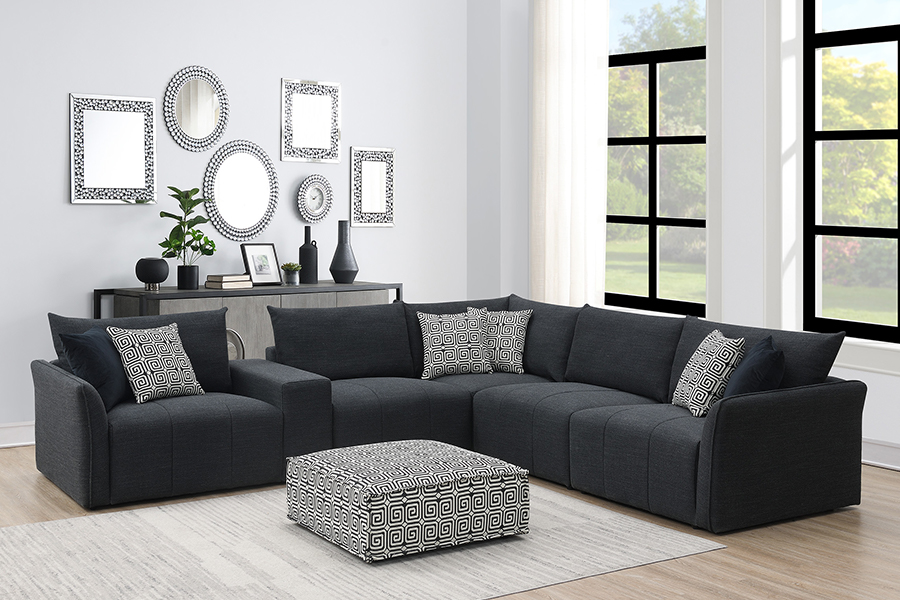
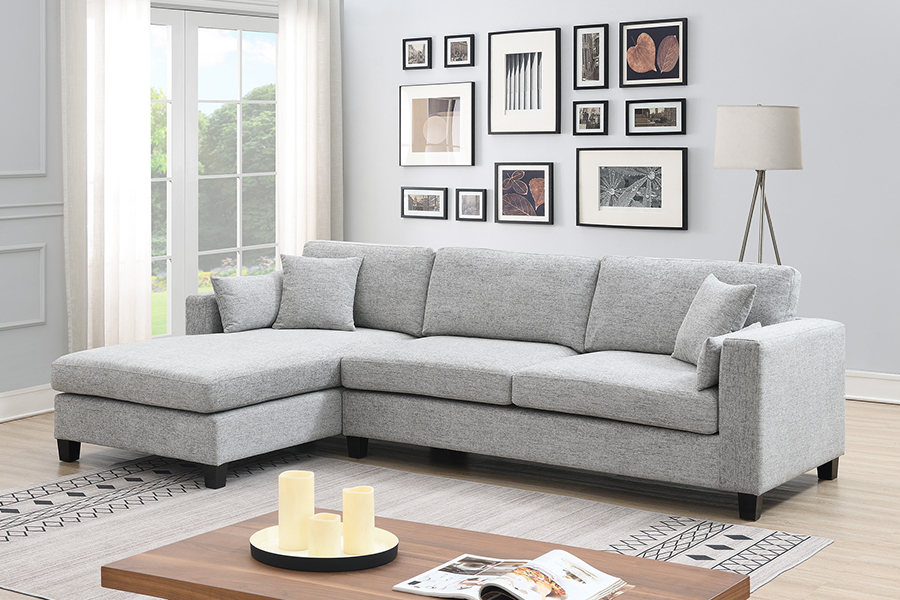
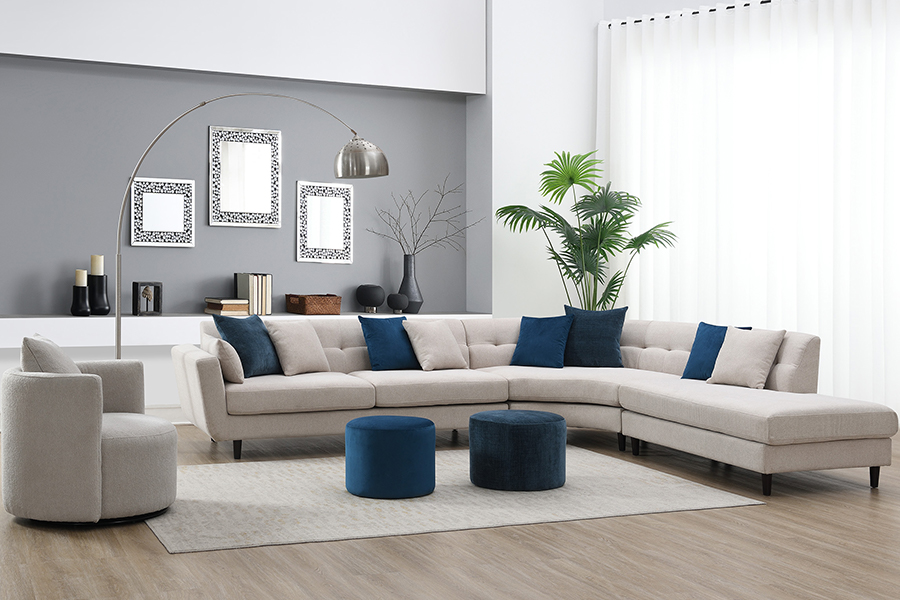
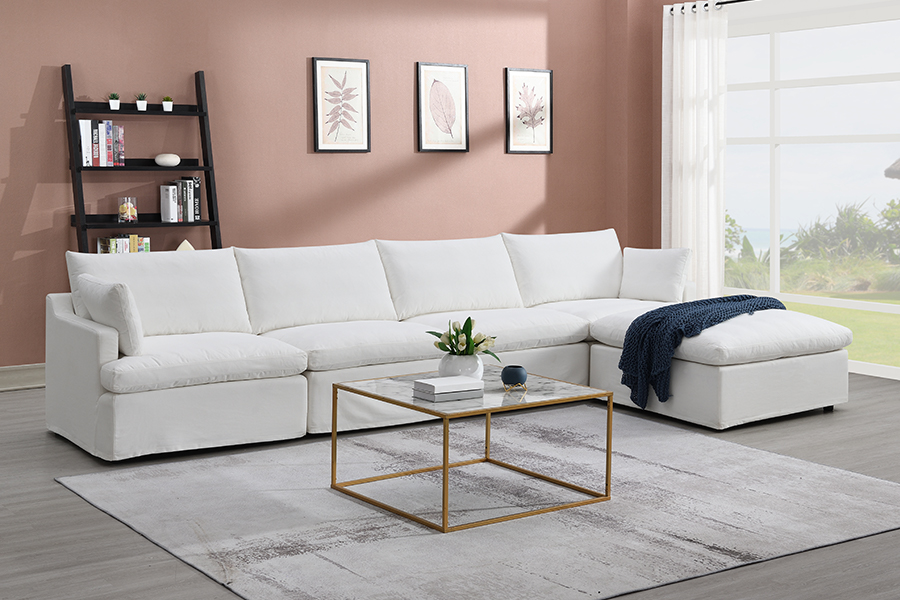
A modular upholstery sofa is made up of individual sections — such as corner pieces, armless chairs, and chaise units — that can be connected and rearranged in multiple configurations. Unlike a traditional fixed-frame sofa, each module functions independently and can be repositioned to suit a room's dimensions or a user's changing needs.
Most modular upholstery sofas are available in fabric options including linen, performance weave, velvet, and microfiber, with internal structures ranging from solid wood frames to engineered wood composites. When shopping for indoor home furnishings, modular sofas have become one of the fastest-growing categories precisely because urban living spaces are getting smaller — the average new apartment in major European cities now measures under 60 square meters.
What Is a Fixed-Frame Upholstery Sofa?
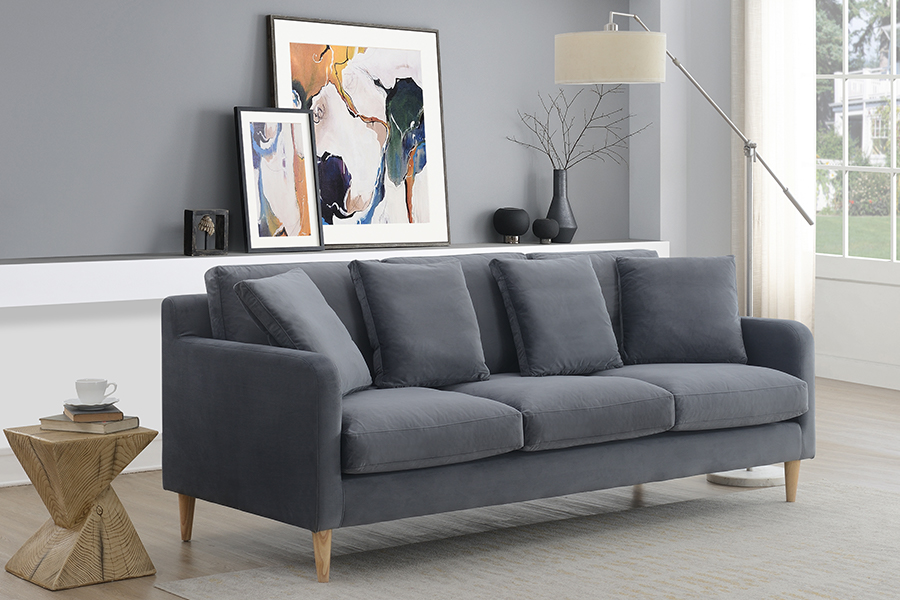
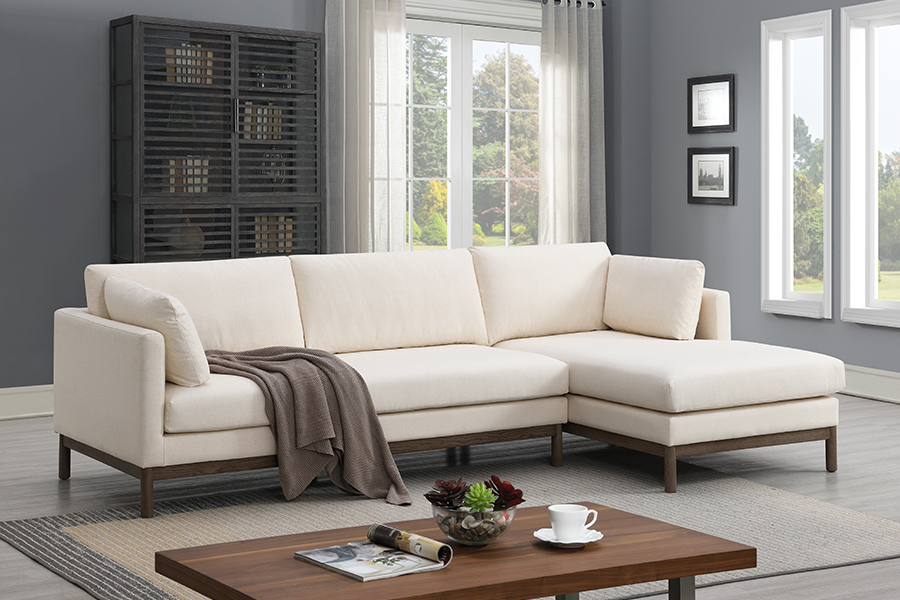
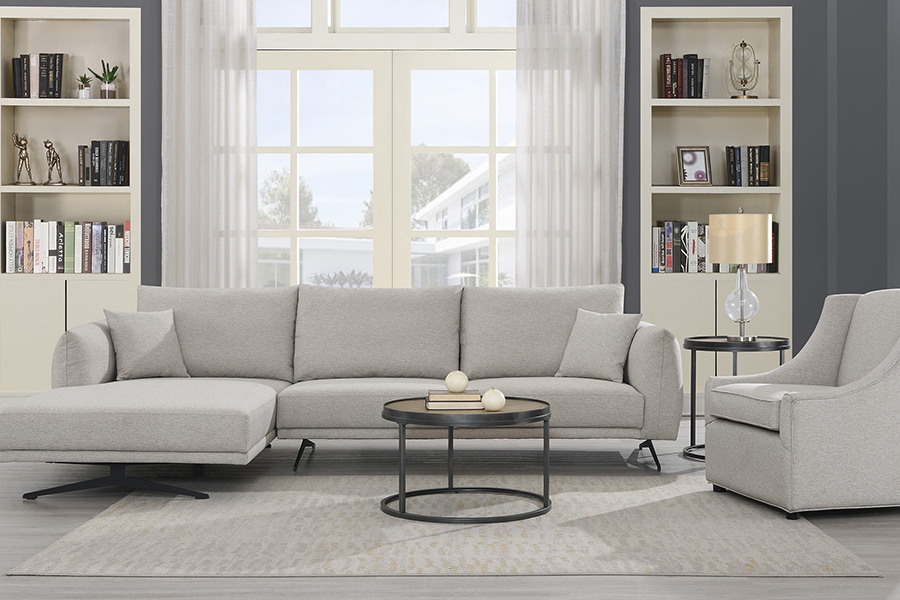
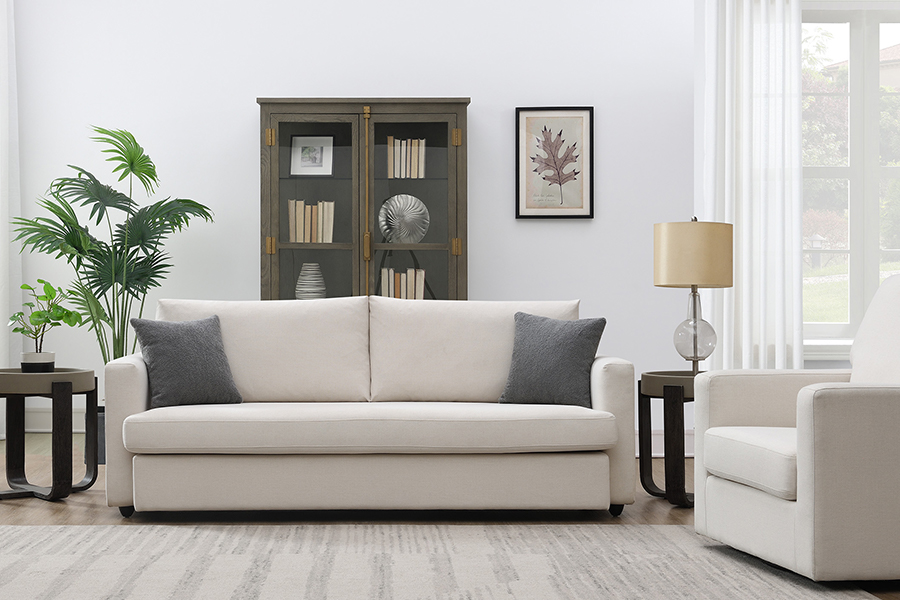
A fixed-frame upholstery sofa is built as a single, unified structure. The frame — typically made from solid wood, plywood, or metal — is assembled at the factory and delivered as one complete piece. These sofas are known for their structural stability, consistent silhouette, and often a more refined, tailored appearance.
Fixed-frame upholstery sofas are a staple in traditional furniture design. They are commonly found in classic and transitional interior styles and are often constructed using solid wood interior furniture techniques — mortise-and-tenon joinery, corner-blocked frames, and eight-way hand-tied spring systems — which contribute to a longer structural lifespan. A well-built fixed-frame upholstery sofa can last 15 to 20 years with proper care.
Key Differences: Modular vs Fixed-Frame Upholstery Sofa
To make a well-informed decision, it helps to compare both sofa types across the dimensions that matter most for small apartment living.
| Feature | Modular Upholstery Sofa | Fixed-Frame Upholstery Sofa |
|---|---|---|
| Layout Flexibility | High — reconfigurable | Low — fixed shape |
| Moving Ease | Easy — breaks into sections | Difficult — single large unit |
| Structural Durability | Moderate | High |
| Entry Through Narrow Doors | Easy | Often problematic |
| Price Range (average) | $800 – $3,500+ | $500 – $4,000+ |
| Expandability | Yes — add modules later | No |
| Aesthetic Consistency | Can vary between modules | Uniform and tailored |
Why Modular Upholstery Sofas Excel in Small Apartments
Flexible Configuration for Irregular Floor Plans
Small apartments rarely have perfectly square living rooms. Alcoves, supporting columns, low windowsills, and angled walls are common. A modular upholstery sofa can be shaped around these constraints. For example, a three-module L-shaped configuration can anchor a corner living area and leave the remaining floor space open — a crucial advantage when your total living area is under 40 square meters.
Effortless Delivery and Installation
One of the most overlooked challenges for small apartment dwellers is getting furniture through the front door. Standard apartment doorways in older European buildings can be as narrow as 75 to 80 cm. A fixed-frame upholstery sofa measuring 220 cm wide simply cannot fit through such an opening without disassembly — and most fixed-frame designs are not built to be taken apart. A modular upholstery sofa solves this entirely, since each section typically measures no more than 90 to 100 cm wide.
Scalability Over Time
If you start with a studio apartment and later move to a larger one-bedroom unit, a modular upholstery sofa grows with you. You can purchase two modules initially and add a chaise or corner piece later — often from the same product line. This makes it a more cost-effective long-term investment compared to replacing a fixed-frame sofa entirely.
Where a Fixed-Frame Upholstery Sofa Still Wins
Despite the advantages of modular designs, there are scenarios where a fixed-frame upholstery sofa remains the stronger choice — even for smaller spaces.
- Superior structural integrity: Fixed-frame upholstery sofas built with solid wood interior furniture joinery — particularly kiln-dried hardwood frames — are significantly more resistant to long-term frame flex and joint loosening compared to modular connectors.
- Cleaner aesthetic: The seamless silhouette of a fixed-frame upholstery sofa creates a more polished, architectural look that suits minimalist or Scandinavian interior styles commonly favored in compact apartments.
- Lower entry price: Entry-level fixed-frame upholstery sofas start at around $500, making them accessible if budget is the primary constraint.
- Consistent cushion alignment: Because the frame does not separate, cushions on a fixed-frame upholstery sofa maintain more uniform alignment over time, avoiding the slight gaps that can develop between modular units.
Fabric Selection: A Critical Decision for Both Types
Regardless of whether you choose a modular or fixed-frame upholstery sofa, the fabric you select will significantly impact maintenance effort and longevity in a small apartment. In compact living spaces, sofas absorb more daily use per square meter than in larger homes, making fabric choice especially important.
- Performance fabric: Engineered weaves with stain-resistant treatments (rated at 100,000+ double rubs on the Wyzenbeek scale) are the most practical for high-use small apartment upholstery sofas.
- Linen: Breathable and natural-looking, but more susceptible to staining — best for low-traffic households.
- Velvet: Adds visual depth and softness, but requires more careful maintenance and is sensitive to humidity — a relevant concern for apartments with limited ventilation.
- Microfiber: One of the easiest upholstery sofa fabrics to clean, and resistant to pet hair accumulation — a practical choice for apartment dwellers with animals.
How Interior Style Affects Your Choice
Your overall interior design direction also plays a role. Modular upholstery sofas lend themselves well to contemporary, industrial, or eclectic interiors where adaptability is valued over strict visual uniformity. Fixed-frame upholstery sofas often suit classic, mid-century, or transitional styles where a defined silhouette anchors the room's aesthetic.
It is also worth considering how your upholstery sofa interacts with other furniture pieces in the apartment. In spaces where outdoor leisure furniture — such as compact balcony seating — needs to visually connect to the interior through a glass door, the cleaner lines of a fixed-frame upholstery sofa often create a more harmonious transition between indoor and outdoor zones.
Practical Tips for Choosing the Right Upholstery Sofa for a Small Apartment
- Measure your doorway first. If your entry door or stairwell is narrower than 85 cm, a modular upholstery sofa is almost certainly the safer choice.
- Map your floor plan. Use masking tape on the floor to simulate the sofa's footprint before purchasing. Aim to leave at least 90 cm of clear walkway around the upholstery sofa.
- Think beyond today's space. If you plan to move within the next three to five years, a modular upholstery sofa offers significantly better adaptability to a new floor plan.
- Check module connector quality. On a modular upholstery sofa, test the connectors between sections in the showroom. Weak connectors cause gaps and instability over time.
- Assess your lifestyle. If you frequently host guests and rearrange your space, a modular upholstery sofa gives you far more versatility than a fixed-frame design.
- Consider a compact fixed-frame option. If your apartment layout is stable and well-defined, a loveseat or two-seater fixed-frame upholstery sofa (typically 140 to 160 cm wide) can offer excellent structural quality without overwhelming the room.
For most small apartment residents, a modular upholstery sofa is the more practical investment. Its ability to adapt to irregular spaces, pass through narrow doorways, and scale with your changing living situation outweighs the structural and aesthetic advantages of a fixed-frame upholstery sofa in the majority of compact living scenarios.
However, if your apartment has a stable, well-proportioned layout and you prioritize long-term structural durability and a refined silhouette, a fixed-frame upholstery sofa — particularly one built with solid wood interior furniture craftsmanship — remains a compelling and lasting choice. The key is to treat your upholstery sofa not just as seating, but as a foundational piece of your indoor home furnishings that shapes the entire feel of your living space.
Whichever type you choose, prioritize frame quality, fabric durability, and dimensional fit above all else. A well-chosen upholstery sofa — modular or fixed — will serve a small apartment far better than an oversized or poorly constructed one, regardless of style or price point.