 English
 中文简体
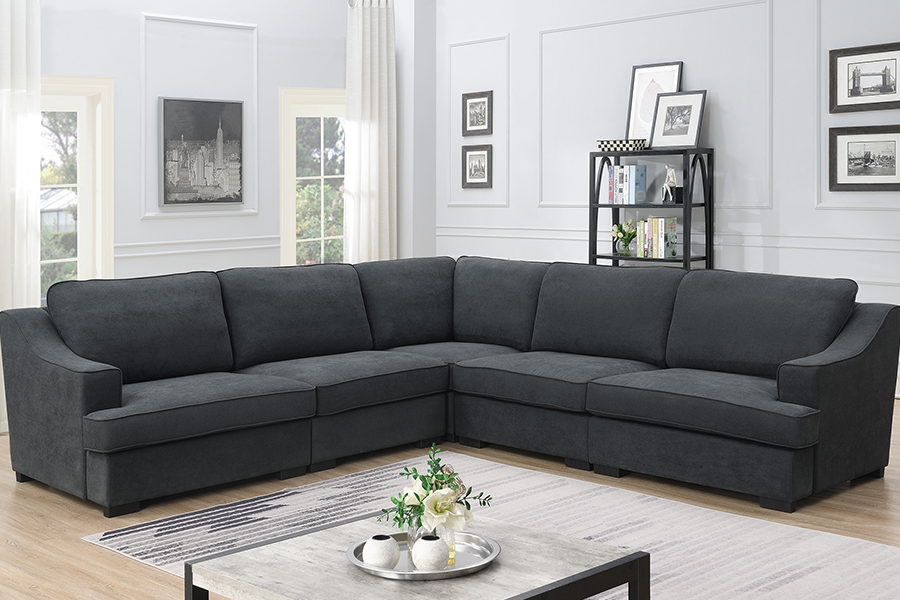
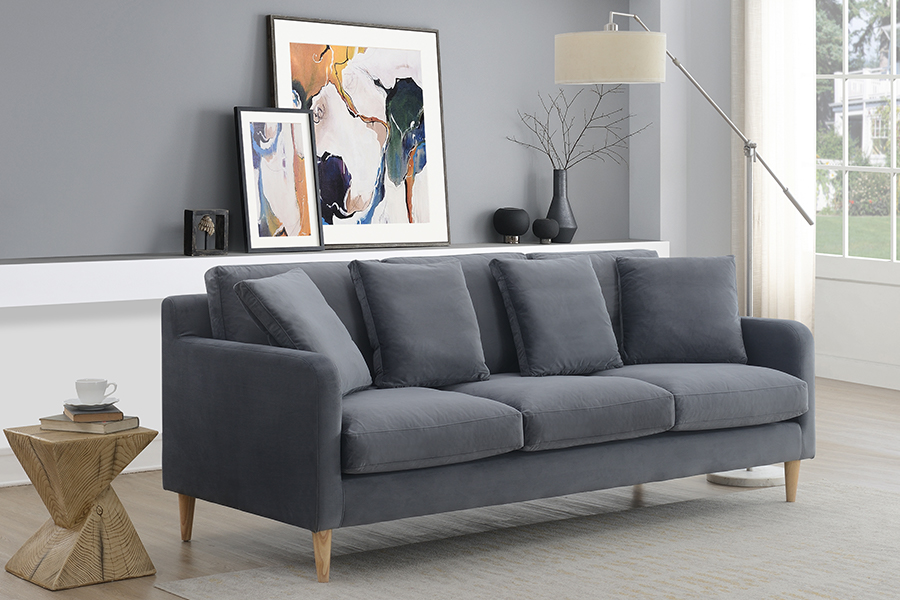
中文简体The upholstery sofa generally performs better than a faux leather sofa in hot climates. Upholstered fabrics are more breathable, stay cooler against the skin, and provide greater comfort during long periods of sitting. While faux leather sofas are often appreciated for their sleek appearance and easy cleaning, they tend to trap heat and moisture, which can make them less comfortable in warm environments.
For homeowners living in regions where temperatures frequently exceed 85°F (29°C), choosing the right sofa material can significantly affect everyday comfort. Although both options have advantages, upholstery sofas typically offer a more pleasant experience in hot and humid conditions.
Why Sofa Material Matters in Hot Weather
Hot climates create unique challenges for furniture. High temperatures increase surface heat, while humidity can make seating materials feel sticky and uncomfortable. A sofa that performs well in a cool environment may behave very differently during long summer months.
The key factors affecting performance include:
- Breathability
- Heat retention
- Moisture management
- Durability under UV exposure
- Ease of maintenance
Understanding these factors helps explain why many buyers prefer upholstery materials when furnishing homes in warmer regions.
Comfort Comparison Between Upholstery and Faux Leather
Comfort is often the most important consideration when comparing an upholstery sofa with a faux leather sofa. The seating surface directly affects how comfortable users feel throughout the day.
| Feature | Upholstery Sofa | Faux Leather Sofa |
|---|---|---|
| Breathability | High | Low |
| Heat Retention | Low | High |
| Skin Contact Comfort | Cooler | Warmer |
| Long Sitting Sessions | Comfortable | May Become Sticky |
Because upholstery fabrics allow air circulation, body heat can dissipate more effectively. Faux leather surfaces create a barrier that limits airflow, causing heat and moisture to accumulate between the user and the sofa.
For everyday lounging, reading, working, or watching television, upholstery sofas typically provide superior comfort in warm weather.
Heat Retention and Surface Temperature
One of the biggest differences between these materials is how they react to heat. Upholstery fabrics generally absorb less heat from direct sunlight and release it more efficiently than faux leather surfaces.
For example, after several hours of sunlight exposure through a window, a faux leather sofa can feel noticeably warmer when touched. Upholstery fabrics may still warm up, but they usually remain more comfortable for immediate use.
This becomes especially important in living rooms with large windows, sunrooms, or homes located in tropical and desert regions.
Performance in Humid Conditions
Humidity often amplifies the differences between sofa materials. When relative humidity rises above 60%, moisture management becomes a major factor in user comfort.
Upholstery fabrics can absorb and release small amounts of moisture, helping maintain a more comfortable seating environment. Faux leather does not provide the same level of moisture regulation.
As a result, users may notice perspiration accumulating on faux leather surfaces during long sitting sessions. This often creates the sticky feeling commonly associated with synthetic leather seating in hot climates.
In coastal, tropical, and humid environments, upholstery sofas usually deliver a more comfortable experience throughout the year.
Durability Under Constant Heat Exposure
Long-term durability is another important consideration. High temperatures and UV exposure can accelerate wear on furniture materials.
Faux leather may experience:
- Cracking
- Peeling
- Surface flaking
- Premature aging
Quality upholstery fabrics can also show wear over time, but they are generally less prone to peeling. Instead, fabric sofas may experience gradual fading or minor abrasion in heavily used areas.
When comparing ather and upholstery sofa options for long-term use in warm climates, many homeowners find that upholstery fabrics maintain their appearance more consistently over several years.
Maintenance and Cleaning Requirements
Cleaning requirements differ significantly between the two materials.
| Maintenance Factor | Upholstery Sofa | Faux Leather Sofa |
|---|---|---|
| Dust Removal | Vacuuming Required | Simple Wipe Down |
| Liquid Spills | Depends on Fabric | Easy Cleanup |
| Deep Cleaning | Occasionally Needed | Less Frequent |
Faux leather clearly offers convenience when it comes to routine cleaning. However, ease of cleaning should be balanced against comfort and durability considerations, especially in hot climates.
Energy Efficiency and Indoor Comfort
Sofa materials can indirectly affect indoor comfort and energy use. In homes where air conditioning usage is limited, upholstery sofas often contribute to a cooler-feeling living space.
Because they do not retain as much heat on their surfaces, upholstered seating remains comfortable even when indoor temperatures fluctuate throughout the day.
This advantage becomes particularly noticeable during power outages, seasonal heat waves, or periods when air conditioning is used less frequently.
Comparing Long-Term Value
Long-term value depends on purchase price, comfort, maintenance costs, and lifespan. Although faux leather sofas may sometimes have a lower initial cost, replacement expenses can increase if peeling or cracking occurs prematurely.
Many buyers evaluating a leather and upholstery sofa focus solely on appearance during the shopping process. However, comfort over several years often becomes a more important factor than appearance alone.
A well-constructed upholstery sofa can provide many years of reliable service while maintaining a comfortable seating experience during every season.
Which Sofa Is Best for Different Households?
Households in Tropical Regions
An upholstery sofa is usually the preferred option due to superior breathability and comfort.
Homes with Heavy Daily Use
Upholstery sofas often provide greater comfort during prolonged sitting sessions and family gatherings.
Homes Prioritizing Easy Cleanup
Faux leather may be advantageous when quick spill cleanup is the primary concern.
Sun-Exposed Living Rooms
High-quality upholstery materials generally handle long-term sun exposure better than lower-grade faux leather surfaces that may peel or crack.
When comparing an upholstery sofa to a faux leather sofa in hot climates, the evidence strongly favors upholstery for most households. Its breathable construction, cooler surface temperature, improved moisture management, and long-term comfort make it particularly well suited for warm and humid environments.
Although faux leather offers easier cleaning and a modern appearance, it often struggles with heat retention and user comfort during hot weather. For buyers seeking the best balance of comfort, durability, and daily usability, an upholstery sofa is usually the better investment for hot climates.