 English
 中文简体
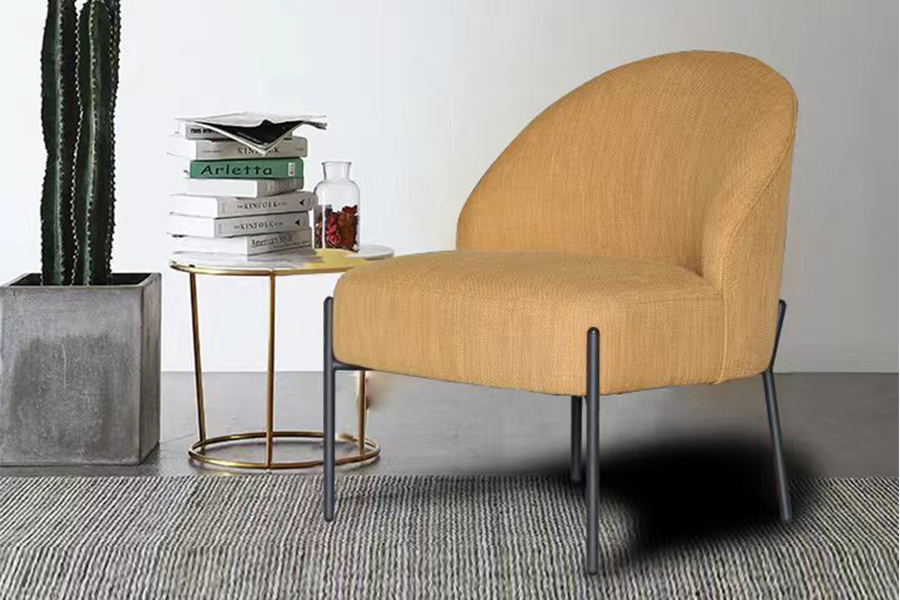
中文简体The backrest design of an Upholstered Accent Chair is the primary factor influencing overall comfort. Unlike standard chairs that focus mainly on seat cushioning, accent chairs with thoughtfully engineered backrests provide better support to the spine, shoulders, and lumbar region. For example, chairs with a slightly reclined backrest angle between 100° to 110° tend to reduce lower back strain during extended sitting periods. Users who prioritize comfort for reading, working, or relaxing often prefer an Upholstered Accent Chair over a rigid wooden chair because of its contoured back support.
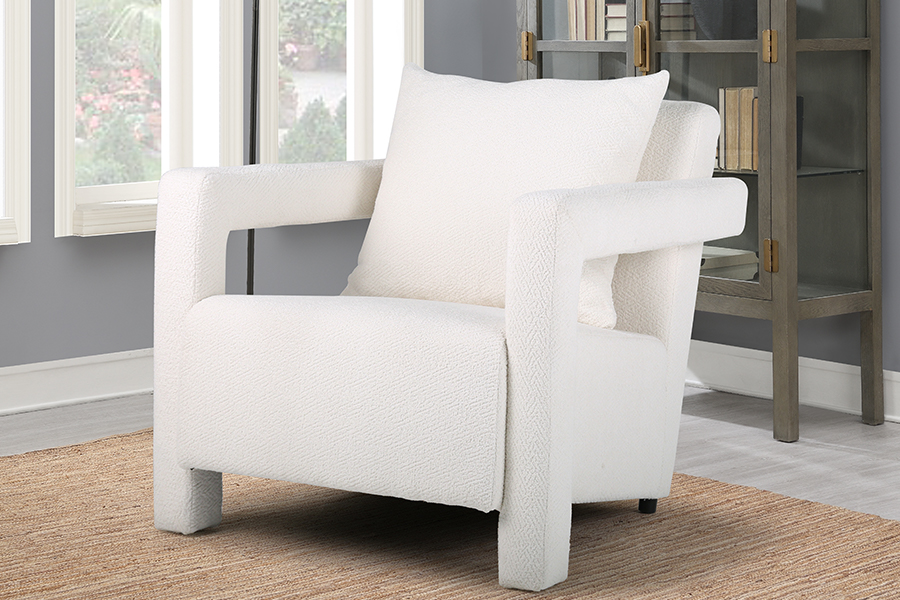
The inclusion of lumbar padding in many Upholstered Accent Chairs significantly enhances comfort. A small upholstered arm chair designed for corner seating might feature a 4-6 inch lumbar cushion that aligns with the natural curve of the lower spine. This design reduces pressure on intervertebral discs and encourages proper posture.
Comparison of Backrest Heights and Angles
Backrest height and angle vary widely among accent chairs. A standard accent chair typically offers a 30-34 inch high backrest, while a small upholstered arm chair may range from 26-30 inches. Higher backrests provide full shoulder support and are ideal for taller individuals, whereas lower backrests are suitable for casual or decorative seating.
Backrest angles also play a crucial role. Here’s a comparison of common angles:
| Chair Type | Backrest Angle (Degrees) | Support Level |
|---|---|---|
| Upholstered Accent Chair | 100–110° | High lumbar and shoulder support |
| Standard Armchair | 95–100° | Moderate support |
| Slipper Chair | 90–95° | Minimal back support |
Materials and Padding Influence Comfort
The materials used in the backrest of an Upholstered Accent Chair affect both comfort and durability. High-density foam, memory foam, or polyester fiberfill are common options. High-density foam retains its shape better over 5–7 years of regular use, while memory foam provides excellent contouring to the body but may feel warmer during extended sitting sessions.
Additionally, the upholstery fabric plays a role. Fabric-backed chairs can offer softer contact and better breathability compared to leather or faux leather. A small upholstered arm chair often uses linen or cotton blends that are lightweight, durable, and easy to maintain, making them ideal for frequently used seating areas.
Ergonomic Benefits Compared to Other Accent Chairs
Ergonomically designed backrests in Upholstered Accent Chairs can reduce fatigue and improve posture. Chairs with lumbar support and gentle backrest curves ensure the spine is naturally aligned. In contrast, traditional accent chairs or slipper chairs with flat backrests often lead to slouching or tension in the lower back after 30–60 minutes of sitting.
For example, an ergonomically shaped small upholstered arm chair can allow for a 15–20% reduction in perceived lower back discomfort during prolonged use, according to user surveys in home seating studies. These subtle differences demonstrate why backrest design should be a top consideration when purchasing accent chairs for functional seating, not just aesthetics.
Visual Appeal vs Functional Comfort
While aesthetics are important, the backrest design balances visual appeal and functional comfort. Upholstered Accent Chairs often feature tufted or curved backrests that enhance interior design without sacrificing support. A small upholstered arm chair with a slightly angled, padded backrest can complement modern, classic, or minimalist décor while maintaining superior comfort for daily use.
In comparison, chairs with purely decorative high backs may look elegant but fail to provide practical lumbar support, leading to discomfort. Hence, the design should not only follow trends but also prioritize ergonomic efficiency.
Choosing the Right Backrest for Your Needs
When selecting an Upholstered Accent Chair, consider the following practical factors for the backrest:
- Backrest height relative to your torso length for shoulder support.
- Padding density for long-term comfort without sagging.
- Angle and contour to maintain natural spinal alignment.
- Material breathability to prevent discomfort during extended sitting.
- Integration with the overall room design, balancing style and functionality.
By focusing on these factors, homeowners can choose an Upholstered Accent Chair or a small upholstered arm chair that enhances comfort while adding aesthetic value to the space.
The backrest design of an Upholstered Accent Chair is the most significant determinant of seating comfort. Compared to other accent chairs, it provides superior lumbar support, appropriate backrest angles, ergonomic padding, and material choices that enhance long-term usability. A small upholstered arm chair with a well-designed backrest can outperform larger, visually impressive chairs that lack ergonomic consideration.
Investing in a chair with a thoughtful backrest ensures both comfort and durability, making it suitable for everyday use, reading nooks, or decorative spaces. Ultimately, the combination of ergonomic design, material quality, and aesthetic appeal ensures that an Upholstered Accent Chair remains a practical and stylish choice for modern interiors.