 English
 中文简体
中文简体-
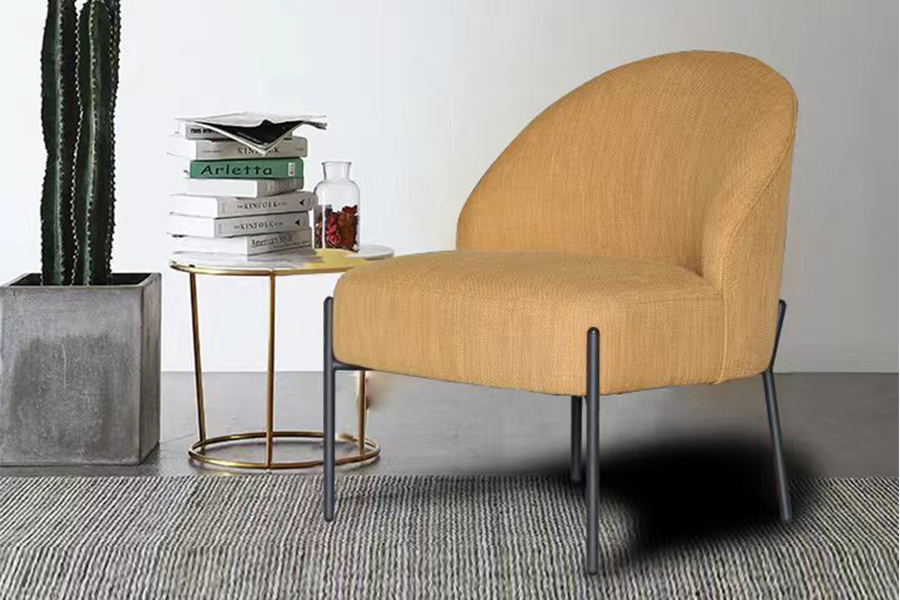
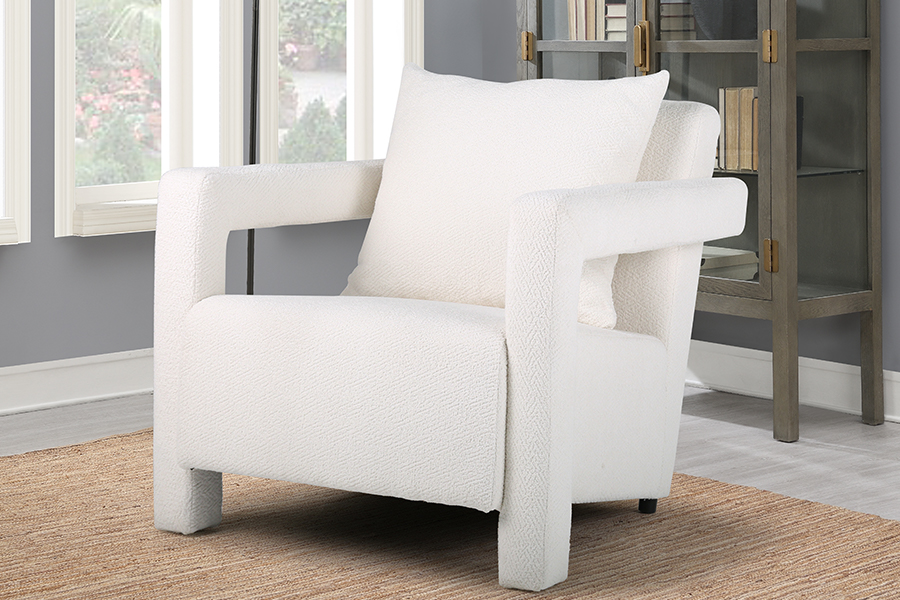
Fabric composition and stain resistance performance: The stain resistance of Upholstered Accent Chairs largely depends on the type of upholstery material used and any protective treatments applied during manufacturing. Performance fabrics such as polyester blends, microfiber, and solution-dyed synthetic textiles are commonly engineered with tight fiber structures that reduce liquid absorption and prevent staining agents from penetrating deeply into the material. These fabrics allow spills such as juice, food residue, or pet-related messes to remain on the surface longer, enabling easier cleaning before permanent discoloration occurs. In contrast, natural fibers such as cotton or linen, while breathable and aesthetically appealing, tend to be more porous and susceptible to staining unless treated with protective coatings. High-end models may include stain-resistant finishes or nanotechnology-based coatings that create a protective barrier around fibers, minimizing chemical bonding between the fabric and contaminants. This feature is particularly beneficial in households with children who frequently expose furniture to accidental spills or pets that may transfer dirt, oils, or organic matter.
-
Moisture resistance and liquid barrier capabilities: Moisture resistance in Upholstered Accent Chairs refers to the ability of the upholstery and internal cushioning to repel or resist liquid penetration, thereby preventing structural damage, odor formation, and microbial growth. Many modern upholstered chairs incorporate water-repellent finishes or laminated backing layers that prevent liquids from reaching the foam padding or internal frame. Synthetic fabrics such as microfiber and treated polyester often provide superior moisture resistance because their dense weave limits capillary action, slowing liquid absorption. Some designs include moisture-resistant foam cushions or protective liners that act as secondary barriers against accidental spills, pet accidents, or humidity exposure. In households with children or pets, this moisture protection is essential for preserving hygiene and preventing long-term deterioration such as mold growth, mildew formation, or structural weakening of internal materials. However, it is important to note that most standard upholstered chairs are water-resistant rather than fully waterproof, meaning prolonged exposure to liquids or repeated saturation can eventually penetrate protective layers. Proper care practices, such as prompt cleaning and adequate ventilation, significantly enhance the moisture resistance performance of the chair.
-
Durability of upholstery against pet-related wear and contamination: In environments with pets, Upholstered Accent Chairs must withstand additional challenges such as fur accumulation, claw abrasion, and exposure to oils or saliva. Fabrics with high abrasion resistance ratings, tight weaves, and smooth surfaces are generally more effective at resisting physical damage and preventing debris from embedding into the upholstery. Materials like microfiber and performance polyester are particularly advantageous because they resist snagging and allow easy removal of pet hair through vacuuming or brushing. Some upholstery treatments also provide anti-microbial or odor-resistant properties that help reduce bacteria buildup and persistent odors associated with pet use. However, delicate fabrics such as velvet, loosely woven textiles, or untreated natural fibers may show wear more quickly and require more intensive maintenance in pet-friendly households. The structural integrity of seams and cushion covers also plays a role in preventing damage, as reinforced stitching and removable covers facilitate cleaning and extend product lifespan.
-
Protective coatings and fabric treatment technologies: Many manufacturers enhance Upholstered Accent Chairs with specialized protective technologies designed to improve fabric longevity and resistance to environmental contaminants. These treatments may include fluoropolymer-based coatings, soil-resistant finishes, or advanced barrier technologies that prevent stains and liquids from bonding with fabric fibers. Some chairs also feature removable or replaceable slipcovers that provide an additional layer of protection while allowing convenient cleaning. In high-use households, these protective features significantly reduce maintenance requirements and improve the chair’s ability to withstand daily exposure to spills, dirt, and pet-related impacts. The effectiveness of such treatments depends on proper care, including adherence to recommended cleaning methods and avoidance of harsh chemicals that may degrade protective layers. Over time, reapplication of protective sprays or professional fabric treatments may be required to maintain optimal protection levels.
-
Maintenance requirements and long-term fabric protection: The overall fabric protection performance of Upholstered Accent Chairs is closely tied to maintenance practices and user behavior. Regular vacuuming removes dust, food particles, and pet hair that could otherwise accumulate and contribute to staining or fabric degradation. Immediate treatment of spills prevents liquids from penetrating deeper layers, while periodic professional cleaning helps preserve the integrity of both the upholstery and protective coatings. Chairs designed with removable cushion covers or washable upholstery provide a significant advantage in households with children or pets, as they allow thorough cleaning without compromising structural components. Additionally, the use of external protective measures, such as fabric guards or furniture covers, can further enhance resistance to stains and moisture. With proper maintenance, high-quality upholstered chairs can maintain their appearance and structural performance even under frequent exposure to challenging household conditions.
Ningbo Mengying Home Furnishing Co., Ltd.