 English
 中文简体
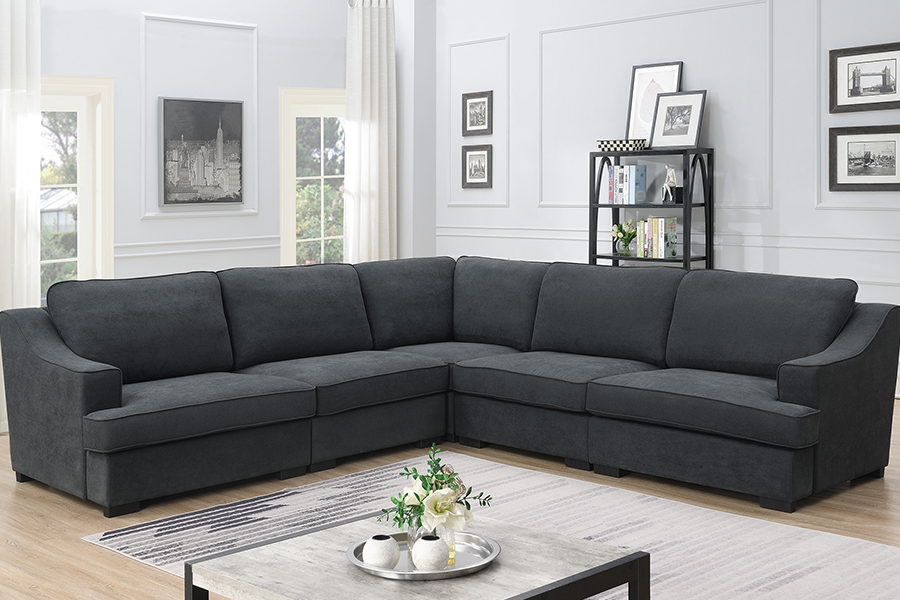
中文简体The performance of a Modular Upholstered Sofa in terms of heat retention and breathability depends primarily on the upholstery fabric, cushion fill material, and the base frame's ventilation design. In short: natural fabrics like linen and cotton offer the best breathability, while synthetic options like velvet and microfiber tend to trap more heat. If you live in a warm climate or tend to run hot, fabric selection is the single most important decision you will make when purchasing a Modular Upholstered Sofa.
Why Heat Retention and Breathability Matter in a Modular Upholstered Sofa
Unlike a fixed sofa, a Modular Upholstered Sofa is designed for extended, flexible use — it can function as a sectional, a lounger, or even a guest bed depending on its configuration. This means users spend significantly more time in direct contact with the upholstery surface. Over a 2–3 hour sitting session, poor breathability can lead to noticeable heat buildup, sweating, and discomfort, particularly in climates where average indoor temperatures exceed 24°C (75°F).
Additionally, because a Modular Upholstered Sofa consists of multiple joined sections, heat can accumulate at module seams and corners where airflow is naturally reduced. Understanding how each upholstery material behaves thermally helps buyers make smarter, longer-lasting investments.
Upholstery Fabric Comparison: Breathability by Material
The following table compares the most common upholstery fabrics used in Modular Upholstered Sofas, rated across breathability, heat retention, and suitability by climate:
| Fabric Type | Breathability | Heat Retention | Best Climate | Durability Rating |
|---|---|---|---|---|
| Linen | Excellent | Very Low | Warm / Tropical | Moderate |
| Cotton | Very Good | Low | Warm / Temperate | Moderate |
| Bouclé | Good | Moderate | Temperate / Cool | Good |
| Microfiber | Fair | Moderate–High | Cool / Temperate | Very Good |
| Velvet | Poor | High | Cool / Cold | Good |
| Full-Grain Leather | Poor–Fair | High (summer) / Low (winter) | Temperate (year-round) | Excellent |
| Performance Fabric (e.g., Crypton) | Good | Low–Moderate | All Climates | Excellent |
How Cushion Fill Affects Thermal Comfort
Beyond the outer fabric, the internal cushion fill of a Modular Upholstered Sofa plays a significant role in how warm or cool it feels during use. The three most common fills and their thermal characteristics are:
High-Resilience (HR) Foam
Standard HR foam has a closed-cell structure that restricts airflow, leading to heat buildup during prolonged sitting. However, many premium Modular Upholstered Sofa models now use open-cell or gel-infused HR foam, which improves air circulation by up to 30% compared to traditional foam. If breathability is a priority, ask specifically whether the foam is open-cell or gel-enhanced.
Down and Feather Blend
Down blends offer a naturally breathable fill due to the porous structure of feather clusters, which allows air to move freely. This makes them a good choice for warm climates. However, they require regular fluffing and have a shorter structural lifespan — typically 5–7 years before noticeable compression — compared to foam.
Foam-Down Hybrid
This is the most widely used fill in mid-to-premium Modular Upholstered Sofa models. A foam core provides structural support while a down-blend wrapping improves surface breathability and softness. This combination balances thermal comfort and durability effectively, making it suitable for most temperate and mixed climates.
The Role of Frame Ventilation and Module Design
A factor that is frequently overlooked when evaluating a Modular Upholstered Sofa is the physical design of the base frame and how modules are joined. Deep-seat modules with a fully enclosed base trap significantly more heat underneath and around the seating surface than raised-leg designs, which allow air to circulate beneath the sofa.
- Raised-leg frames (15 cm or higher): Promote under-sofa airflow, reducing overall heat retention by improving room air circulation around all modules.
- Platform or flush-base frames: Offer a sleeker aesthetic but restrict airflow, which can increase ambient heat absorption — especially problematic in rooms with radiant floor heating.
- Module connection zones: Where two sections of a Modular Upholstered Sofa join, fabric layers overlap and airflow is restricted. Look for designs that minimize thick seam bulk to reduce localized heat spots.
Climate-Specific Recommendations for Modular Upholstered Sofa Buyers
Choosing the right Modular Upholstered Sofa configuration and fabric for your climate can significantly affect long-term comfort. Here are practical recommendations by region:
Hot and Humid Climates (e.g., Southeast Asia, Southern US, Mediterranean summers)
- Prioritize linen or performance fabric upholstery on your Modular Upholstered Sofa.
- Choose open-cell foam or foam-down hybrid cushion fill.
- Select a raised-leg base design to maximize under-sofa airflow.
- Avoid leather and velvet, as both materials trap body heat rapidly above 26°C (79°F).
Temperate Climates (e.g., Northern Europe, Pacific Northwest, coastal areas)
- Bouclé, cotton, or performance fabrics are well-suited for year-round comfort.
- A foam-down hybrid fill provides both breathability in summer and warmth in cooler months.
- Leather is a viable option in temperate zones, as it tends to regulate temperature more effectively when indoor temperatures stay between 18–22°C (64–72°F).
Cold Climates (e.g., Scandinavia, Canada, high-altitude regions)
- Velvet and microfiber upholstery on a Modular Upholstered Sofa are excellent choices, as their heat-retaining properties become a comfort advantage in cooler indoor environments.
- Platform-base frames are acceptable here, as floor-level insulation is beneficial rather than problematic.
- Down-heavy cushion fills add to the cozy thermal experience without risk of overheating.
Fabric Treatments and Their Impact on Breathability
Many Modular Upholstered Sofa models are treated with protective coatings — stain-resistant sprays, water-repellent finishes, or antimicrobial treatments. While these add practical benefits, they can measurably affect breathability. A heavy polyurethane-based stain guard, for example, can reduce fabric breathability by 15–25% by partially sealing the fiber structure.
When evaluating a treated Modular Upholstered Sofa, ask the following questions:
- Is the protective treatment water-based or solvent-based? Water-based treatments generally preserve more breathability.
- Has the treatment been tested for moisture vapor transmission rate (MVTR), which measures how well a treated fabric allows air and moisture to pass through?
- Can the treatment be reapplied at home after washing, and does reapplication affect the fabric's thermal properties over time?
Performance fabrics such as Crypton or Sunbrella are engineered to balance protection and breathability more effectively than standard treated fabrics, making them a strong choice for buyers who need both comfort and easy maintenance from their Modular Upholstered Sofa.
Practical Tips to Improve Breathability of Your Modular Upholstered Sofa
If you already own or have purchased a Modular Upholstered Sofa that runs warm, there are several practical steps you can take to improve comfort without replacing the sofa:
- Use breathable slipcovers: Linen or cotton slipcovers placed over warmer fabrics like velvet can dramatically improve surface breathability during summer months.
- Rotate and flip cushions regularly: This prevents heat and moisture from concentrating in a single area and extends cushion life.
- Position modules away from direct sunlight: Sun exposure can raise the surface temperature of a Modular Upholstered Sofa's upholstery by as much as 8–12°C (14–22°F), significantly worsening heat retention.
- Ensure adequate room ventilation: Air conditioning or a ceiling fan positioned above the sofa seating area can offset the thermal limitations of less breathable upholstery fabrics.
- Leave space between modules and walls: Allowing at least 10–15 cm of clearance behind and between sofa sections improves ambient airflow around the entire configuration.
Final Verdict: What to Look for When Buying
When selecting a Modular Upholstered Sofa with heat retention and breathability as key criteria, the most important factors — ranked by impact — are:
- Upholstery fabric type — the single biggest factor in breathability performance.
- Cushion fill composition — open-cell foam and down blends outperform standard closed-cell foam significantly.
- Base frame design — raised legs improve airflow; platform bases restrict it.
- Fabric treatments — ensure any protective finish does not substantially compromise fabric breathability.
- Room and climate context — always match your fabric and fill choice to the ambient temperature of the space where the sofa will be used.
A well-chosen Modular Upholstered Sofa, matched to both your climate and usage patterns, can deliver years of thermally comfortable seating without compromise. The key is treating breathability as a specification requirement — not an afterthought — before making your final purchase decision.